


Introduction
Bitcoin, since its creation in 2009 by the pseudonymous Satoshi Nakamoto, has evolved from a niche digital experiment into a global financial phenomenon. Its rise has not only revolutionized how people perceive money but also fostered a fervent community of supporters who champion its potential as the ultimate form of decentralized currency. Among these supporters, a distinct ideology known as Bitcoin Maximalism has emerged, defined by the belief that Bitcoin is superior to all other cryptocurrencies and, ultimately, the only one worth holding.
Bitcoin Maximalism, however, exists at the intersection of both ideology and investment strategy, sparking ongoing debate within cryptocurrency communities, academic circles, and the financial industry. Critics often describe maximalists as dogmatic, dismissing other digital assets as inferior or speculative. Advocates, on the other hand, argue that maximalism is a rational stance in an environment rife with uncertain technologies, regulatory ambiguity, and volatile markets. This essay explores the rise of Bitcoin Maximalism by analyzing its ideological foundations, investment rationale, and broader impact on the cryptocurrency ecosystem.
Ideological Foundations of Bitcoin Maximalism
At its core, Bitcoin Maximalism is deeply ideological, rooted in a philosophical belief system about the nature of money, trust, and governance. Maximalists contend that Bitcoin represents not just a currency, but a radical departure from traditional financial systems characterized by centralization, inflationary monetary policies, and opaque governance structures.
A. Historical Context and Philosophical Roots
Bitcoin Maximalism draws inspiration from libertarian and cypherpunk philosophies that emphasize privacy, individual sovereignty, and minimal state intervention. In the aftermath of the 2008 global financial crisis, these principles gained traction as trust in centralized banks and government institutions eroded. Bitcoin, with its decentralized ledger and fixed supply, emerged as a practical manifestation of these ideals, embodying a system in which no single entity controls the network.
Maximalists often reference the hard money principles akin to the gold standard, advocating for scarcity, transparency, and predictability. Bitcoin’s capped supply of 21 million coins is seen as a direct response to the inflationary tendencies of fiat currencies. By embracing these principles, maximalists argue that Bitcoin is not merely a digital asset but a moral and ethical framework for economic participation.
B. Social Identity and Community Dynamics
Beyond ideology, Bitcoin Maximalism also functions as a social identity. Online forums, social media channels, and conferences reinforce shared beliefs, fostering a sense of belonging and intellectual camaraderie. In these communities, adherence to Bitcoin Maximalism is often framed as a commitment to truth and rationality.
Maximalist rhetoric frequently portrays alternative cryptocurrencies, or “altcoins,” as distractions or threats to Bitcoin’s ultimate purpose. This exclusionary attitude serves a dual function: it strengthens community cohesion while delineating moral and intellectual boundaries within the cryptocurrency ecosystem. In this sense, maximalism is not only an economic or technological preference but a cultural marker, distinguishing participants who value long-term vision over short-term gains.
C. Critiques of the Ideological Approach
Despite its fervent appeal, the ideological underpinnings of Bitcoin Maximalism are not without criticism. Skeptics argue that extreme maximalism can stifle innovation, as it dismisses the potential utility of emerging blockchain technologies. Projects that address scalability, privacy, or smart contracts, for example, are often derided rather than evaluated on their own merits. Critics suggest that rigid ideological adherence can lead to echo chambers, in which dissenting voices and nuanced discussions are marginalized.
Moreover, the ideological framing may obscure the practical realities of investing. By conflating morality with monetary strategy, maximalists risk overestimating Bitcoin’s infallibility and underestimating market dynamics, regulatory changes, and technological advancements that could reshape the broader cryptocurrency landscape.
Bitcoin Maximalism as an Investment Strategy
While ideology explains part of the appeal, Bitcoin Maximalism is also increasingly understood as a calculated investment strategy. Many proponents adopt a “maximalist” approach not only because they believe in Bitcoin’s philosophical virtues but because they view it as the most resilient, secure, and profitable cryptocurrency over time.
A. Risk Management and Concentrated Investment
One of the central tenets of Bitcoin Maximalist investing is the notion of risk concentration. In a landscape populated by thousands of altcoins with varying levels of adoption, security, and governance, Bitcoin is often seen as the least risky digital asset due to its established network, liquidity, and first-mover advantage.
By focusing exclusively on Bitcoin, investors mitigate exposure to speculative or poorly designed projects that could fail. Maximalists argue that while diversifying across altcoins might yield short-term gains, it increases the likelihood of encountering systemic risks, including hacks, fraud, or sudden loss of utility. In this context, Bitcoin Maximalism functions as a strategic hedge, privileging longevity and reliability over speculative opportunity.
B. Store of Value and Institutional Adoption
Another rationale for Bitcoin-focused investing lies in its perceived status as “digital gold.” Maximalists emphasize Bitcoin’s deflationary characteristics, scarcity, and resistance to censorship as factors that enhance its store-of-value properties. Unlike altcoins, which may lack significant user adoption or regulatory clarity, Bitcoin has achieved mainstream recognition as a legitimate financial asset.
The entry of institutional investors has reinforced this perception. Firms such as MicroStrategy, Tesla, and various hedge funds have incorporated Bitcoin into their balance sheets, while financial institutions increasingly offer Bitcoin-related products. For maximalists, these developments validate the strategy of concentrating capital in a single, well-established cryptocurrency rather than chasing speculative trends.
C. Long-Term Perspective and Market Cycles
Bitcoin Maximalism also aligns with a long-term investment horizon. Historical market data suggests that Bitcoin, despite high volatility, has experienced substantial appreciation over extended periods. By adopting a maximalist stance, investors commit to weathering short-term market turbulence in anticipation of long-term gains.
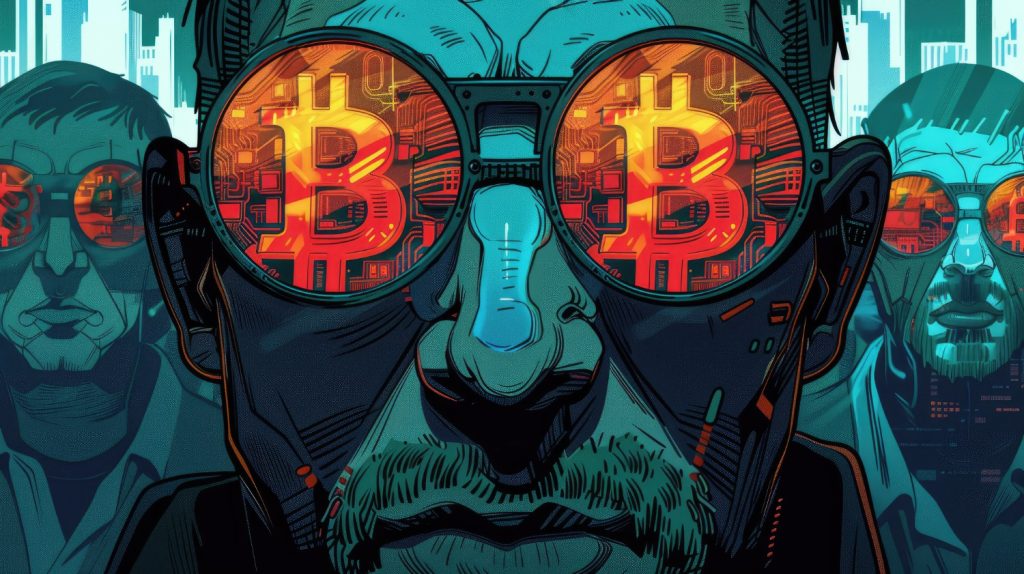
This approach reflects a fundamental belief in Bitcoin’s enduring value proposition: its decentralized architecture, limited supply, and global recognition create a resilient foundation that altcoins cannot replicate. From a strategic perspective, maximalism is therefore a disciplined methodology for capitalizing on Bitcoin’s network effects, brand recognition, and technological security.
Broader Implications and Future Trajectories
The rise of Bitcoin Maximalism has profound implications for the cryptocurrency ecosystem, financial markets, and societal perceptions of money. Understanding these effects requires examining how maximalism shapes innovation, regulation, and public discourse.
A. Impact on Blockchain Innovation
While maximalism promotes Bitcoin as the gold standard, it can also influence the development of blockchain technologies. Critics argue that an overly dominant focus on Bitcoin may dampen investment and interest in alternative platforms capable of addressing scalability, interoperability, or decentralized finance (DeFi) challenges. Conversely, proponents contend that Bitcoin serves as a benchmark, setting standards for security, decentralization, and monetary integrity that other projects must emulate.
This dynamic creates a paradox: Bitcoin Maximalism may both inspire and inhibit innovation, depending on whether emerging projects are perceived as complementary or competitive. The ongoing tension between ideological purity and technological experimentation defines the broader trajectory of the cryptocurrency sector.
B. Regulatory and Market Considerations
Bitcoin Maximalism also shapes interactions with regulatory frameworks. Governments and financial authorities are increasingly scrutinizing cryptocurrency markets, particularly in areas of taxation, consumer protection, and anti-money laundering compliance. Maximalists often advocate for regulatory clarity rather than avoidance, emphasizing Bitcoin’s resilience and transparency compared to complex altcoins.
From a market perspective, maximalist sentiment can amplify Bitcoin’s dominance, influencing liquidity, trading volume, and price stability relative to the broader cryptocurrency market. Conversely, sudden shifts in maximalist ideology—such as waning confidence in Bitcoin or embracing alternative chains—could trigger significant market ripple effects.
C. Societal and Cultural Significance
Finally, Bitcoin Maximalism extends beyond markets and technology to influence societal and cultural perceptions of money. Maximalists often frame Bitcoin as a tool for financial sovereignty, challenging traditional hierarchies in banking and monetary policy. By advocating for a decentralized currency, maximalists contribute to broader debates about economic freedom, privacy, and the role of technology in society.
This cultural influence is particularly salient among younger generations, who are more comfortable with digital assets and skeptical of legacy financial institutions. As Bitcoin Maximalism gains visibility, it may shape the future of financial literacy, personal wealth management, and global monetary systems, even for individuals who do not directly invest in cryptocurrencies.
Conclusion
The rise of Bitcoin Maximalism represents a convergence of ideology and investment strategy. Ideologically, it embodies a commitment to decentralization, monetary integrity, and a philosophical critique of centralized financial systems. Strategically, it offers a disciplined approach to investing in an asset that combines scarcity, security, and growing mainstream acceptance.
Bitcoin Maximalism is not without its critics: its ideological rigidity may stifle innovation, and its concentrated investment approach carries inherent risks. Yet its influence is undeniable, shaping the development of blockchain technologies, market dynamics, regulatory debates, and societal perceptions of money.
Ultimately, Bitcoin Maximalism is a multifaceted phenomenon, reflecting both the values of a committed community and the pragmatism of long-term investment strategy. Whether motivated by conviction, financial prudence, or a combination of both, maximalism has firmly cemented Bitcoin’s role as a transformative force in the 21st-century financial landscape. As the cryptocurrency ecosystem continues to evolve, the interplay between ideology and strategy will remain central to understanding the enduring appeal—and controversy—of Bitcoin Maximalism.