

Introduction
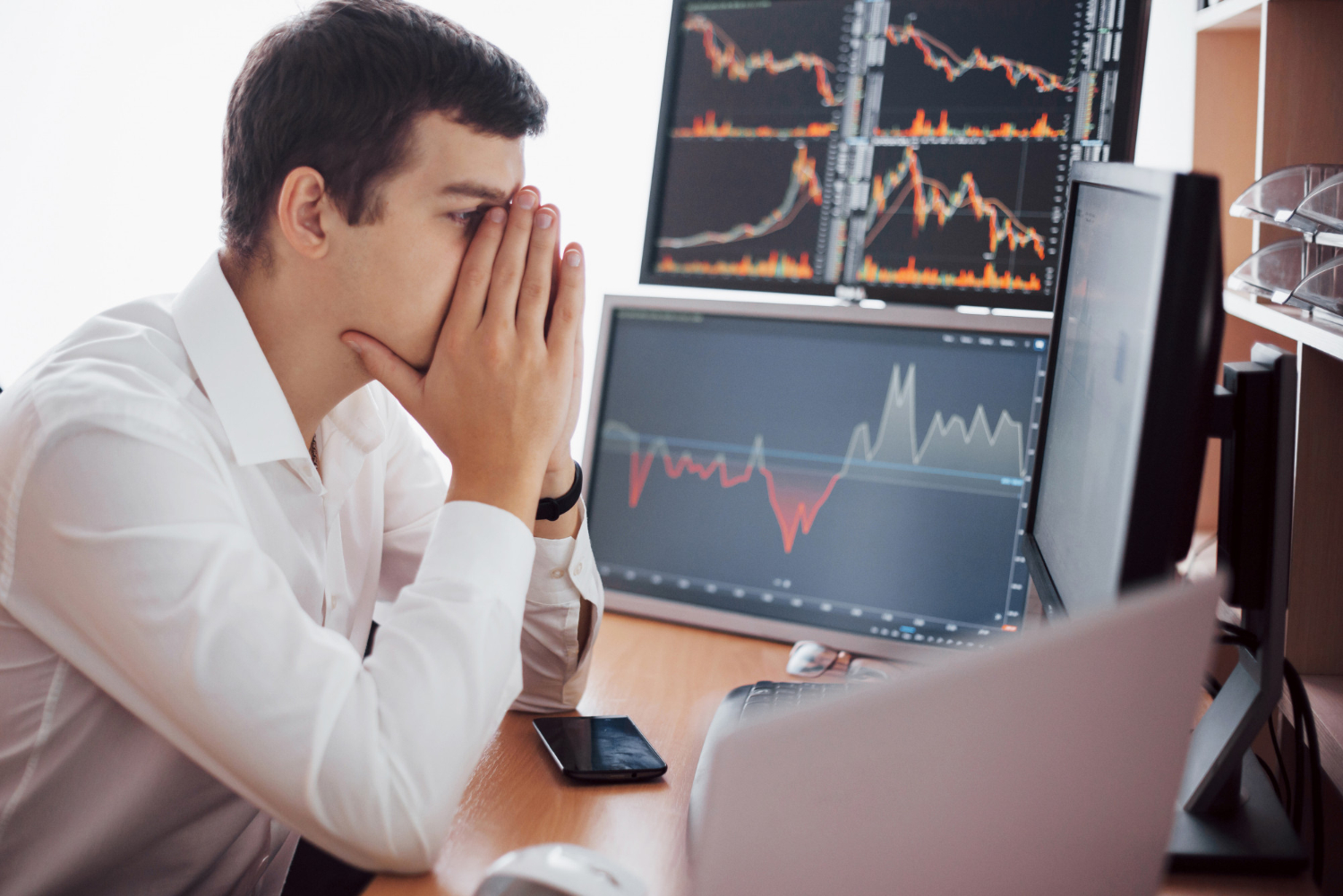
Wall Street has long been seen as the heartbeat of global finance, a reflection of both the optimism and the anxiety that define the world’s largest economy. Yet, when that pulse weakens—when major indices slide, investors panic, and red flashes dominate trading screens—the ripple effects are felt across continents. The recent selloff on Wall Street has reignited fears of a broader market downturn, leading analysts, economists, and everyday investors to question whether this is a short-term correction or the beginning of something much more serious.
Over the past several months, volatility has spiked amid concerns over persistent inflation, elevated interest rates, geopolitical instability, and uncertain corporate earnings. The S&P 500, Dow Jones Industrial Average, and Nasdaq have all posted significant declines, erasing hundreds of billions in market capitalization. For many, this selloff feels eerily reminiscent of previous downturns—2008’s financial crisis, the 2020 pandemic crash, and even the bursting of the dot-com bubble.
Yet, beneath the headlines and panic lies a more nuanced story: one of shifting economic fundamentals, psychological reactions, and long-term structural adjustments. Understanding what’s really driving the current selloff requires dissecting not only the immediate triggers but also the deeper trends reshaping the financial landscape.
This article explores the key factors fueling the Wall Street selloff, the psychological and behavioral responses of investors, and the potential outcomes for global markets and future policy directions.
The Perfect Storm: Economic Pressures and Market Triggers Behind the Selloff
Market selloffs rarely emerge from a single cause; rather, they represent the culmination of multiple stressors converging at once. In the case of the current Wall Street turmoil, several interlocking factors have amplified investor unease—ranging from macroeconomic challenges to sector-specific weaknesses.
a. Persistent Inflation and the Interest Rate Squeeze
Despite hopes that inflation would cool significantly by now, price pressures have remained stubborn. The Federal Reserve’s aggressive monetary tightening over the past two years—marked by repeated interest rate hikes—has indeed slowed inflation but at a considerable cost. Borrowing costs have soared, corporate profits have been squeezed, and consumer spending, the engine of the U.S. economy, has started to wobble.
Higher rates have made risk-free assets like Treasury yields more attractive, drawing money away from equities. The benchmark 10-year Treasury yield recently hit multi-year highs, creating a gravitational pull on investor capital that previously sought returns in growth stocks. As valuations adjusted, richly priced technology companies were among the hardest hit, leading to steep selloffs in sectors once seen as untouchable.
b. Earnings Disappointments and Corporate Caution
Corporate America’s earnings season has provided little comfort. Many companies, particularly in technology, retail, and industrial sectors, have missed forecasts or issued cautious guidance. Even firms posting profits have warned of tightening margins, supply chain challenges, and weakening demand.
This has led investors to reassess valuations that were built on expectations of strong earnings growth. When optimism collides with hard data, the adjustment can be brutal. Stocks that once traded at 30 or 40 times earnings have been forced to reprice to more realistic levels.
c. Global Tensions and Supply Chain Fragility
Geopolitical uncertainties have further compounded market stress. The ongoing Russia-Ukraine conflict, renewed instability in the Middle East, and tensions between the U.S. and China over trade and technology have all contributed to market jitters. Energy prices, particularly oil, have fluctuated sharply in response to these tensions, creating additional inflationary pressures.
Supply chain disruptions, while improved since the pandemic, remain fragile—especially in semiconductor production and essential raw materials. Investors now view global interconnectedness as a vulnerability rather than an unmitigated strength, adding another layer of risk perception that feeds market anxiety.
d. Investor Positioning and Algorithmic Amplification
Modern markets are increasingly influenced by algorithmic and high-frequency trading systems. When volatility spikes, these automated systems can accelerate selloffs, triggering cascading stop-loss orders and amplifying market swings. What might have been a mild correction in a previous era now becomes a sharp, panic-driven drop.
Institutional investors, meanwhile, have been quick to de-risk portfolios. Hedge funds and asset managers have increased cash holdings, sold off cyclical stocks, and moved toward defensive sectors such as utilities, healthcare, and consumer staples. Retail investors, seeing the red tide, often follow suit, turning a selloff into a self-reinforcing cycle of fear.
The Psychology of Fear: How Investor Sentiment Turns Panic into Reality
Financial markets are not just about numbers—they are about emotions. At their core, markets reflect collective human behavior, oscillating between greed and fear. The recent Wall Street selloff offers a case study in how sentiment, more than fundamentals, can drive short-term movements.
a. The Herd Mentality in Modern Markets
When markets begin to slide, individual investors often look to others for cues. This “herd behavior” amplifies volatility as everyone rushes to exit positions at once. Social media platforms, financial news networks, and online forums can further intensify the herd effect, spreading fear faster than ever before.
The fear of missing out (FOMO) that dominated during the 2021 bull run has now flipped into the fear of losing everything (FOLE). Investors who once believed in “buying the dip” now hesitate, waiting for a clearer bottom. That hesitation, in turn, prolongs market weakness.
b. The Role of Memory: Ghosts of Crashes Past
Investor psychology is shaped by memory. Many participants in today’s market lived through the 2008 financial crisis and the 2020 pandemic shock. Those experiences left emotional scars—reminders that markets can fall much faster than they rise. As soon as signs of trouble appear, those memories resurface, triggering defensive reactions.
The irony is that these reactions can make downturns worse. When everyone anticipates a crash, they sell early, pulling the market down and making their fears self-fulfilling. This “reflexivity,” as described by financier George Soros, demonstrates how perception can shape reality in financial markets.
c. The Media Effect: Amplifying Anxiety
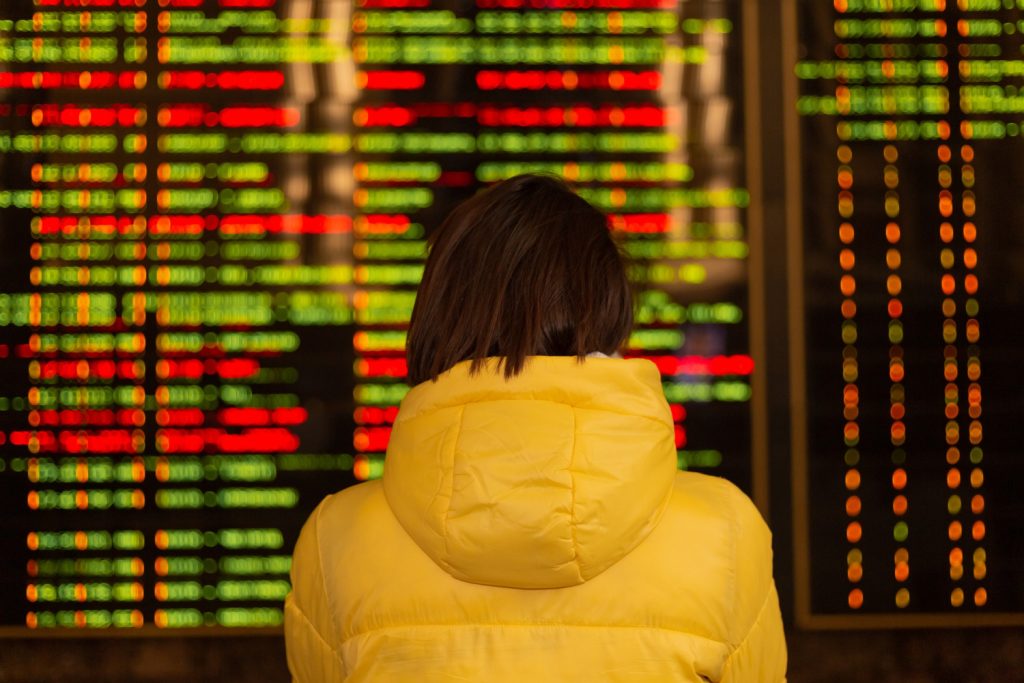
Financial media plays a crucial role in shaping investor sentiment. While headlines like “Markets in Freefall” or “Investors Brace for the Worst” attract clicks, they can also heighten anxiety. Television coverage showing red tickers and grim-faced anchors creates a sense of crisis even when fundamentals may not justify it.
This constant barrage of negativity contributes to what behavioral economists call loss aversion—the human tendency to fear losses more than we value equivalent gains. As a result, investors often sell prematurely to avoid potential losses, missing out on eventual recoveries.
d. Institutional Psychology: Risk Aversion and Capital Flight
It’s not just retail investors who panic. Institutional investors, governed by strict risk parameters and performance metrics, often react quickly to downside volatility. Fund managers must protect capital, even if that means selling assets into weakness. This institutional aversion to risk can accelerate a selloff’s momentum.
Moreover, when global funds pull out of U.S. equities, the dollar strengthens, creating secondary effects such as weaker exports and tighter financial conditions. The interplay between psychology and macroeconomics becomes a feedback loop that intensifies short-term instability.
Looking Ahead: Scenarios for Recovery, Recession, and Renewal
While the selloff has sparked fears of a major downturn, it’s important to view market cycles in context. Corrections are a natural part of investing; they reset valuations, eliminate excesses, and often set the stage for future gains. The key question now is: What comes next?
a. The Case for a Temporary Correction
Some analysts argue that this selloff, while painful, is a healthy correction rather than a precursor to a full-blown recession. Inflation, though sticky, is trending downward. Employment remains relatively strong, and corporate balance sheets, on average, are healthier than they were before previous crises.
If the Federal Reserve signals a pause—or even modest rate cuts—in the coming quarters, markets could quickly rebound. Investor sentiment is notoriously fickle; a few pieces of positive economic data could reignite optimism and draw sidelined capital back into equities.
b. The Case for a Deeper Downturn
On the other hand, skeptics warn that structural risks remain. The combination of high debt levels, shrinking liquidity, and slowing global growth could push the U.S. and other major economies toward a mild recession. If that happens, earnings could decline further, pressuring already fragile confidence.
Furthermore, the delayed effects of higher interest rates—especially in housing, credit markets, and corporate refinancing—could manifest more severely in the months ahead. A deeper downturn could also expose vulnerabilities in the financial system, particularly among regional banks or over-leveraged sectors.
c. Opportunities Amid the Chaos
Despite the fear, history shows that market downturns often present rare opportunities. Legendary investors like Warren Buffett have long preached the wisdom of being “fearful when others are greedy and greedy when others are fearful.”
For long-term investors, this period could offer attractive entry points in sectors tied to secular growth—such as renewable energy, artificial intelligence, healthcare innovation, and infrastructure. Dividend-paying stocks and companies with strong cash flows may also serve as safe havens during volatility.
Moreover, the rise of sustainable investing and green finance could accelerate as governments and corporations double down on energy transition initiatives to counter inflationary energy shocks.
d. The Global Ripple Effect
The Wall Street selloff doesn’t stay confined to the U.S. Global markets are deeply interconnected, and foreign investors often look to American equities as a barometer for risk sentiment. When U.S. stocks tumble, European, Asian, and emerging market equities usually follow.
A prolonged downturn could weaken capital flows into developing economies, depress commodity prices, and increase currency volatility. Conversely, if the U.S. stabilizes, it could restore confidence globally, reaffirming Wall Street’s role as a financial anchor.
e. The Role of Policy and Innovation
Monetary and fiscal policy responses will be critical. If the Federal Reserve manages to balance inflation control with economic growth, and if policymakers support innovation-driven sectors, the downturn could be short-lived.
Additionally, technological advancements—such as AI-driven productivity gains and digital transformation—could help offset cyclical weaknesses, fueling a new phase of economic expansion once stability returns.
Conclusion
The Wall Street selloff is a stark reminder that markets are as emotional as they are analytical. Beneath the numbers lie stories of human behavior, shifting expectations, and the eternal struggle between fear and hope. While the immediate outlook remains uncertain, history teaches us that downturns are not endpoints—they are transitions.
The forces driving the current selloff—high interest rates, inflation, geopolitical tensions, and investor psychology—are formidable but not insurmountable. Markets have weathered worse storms before. What matters most now is perspective: understanding that corrections are part of a larger cycle of renewal and adaptation.
For investors, the key is not to succumb to panic but to stay informed, patient, and disciplined. The same volatility that destroys short-term confidence can also create long-term opportunity. Whether the coming months bring further declines or a rebound, one truth remains constant—resilience, both economic and emotional, is the foundation of every recovery.
In the end, Wall Street’s story is not about a selloff; it’s about how markets, and the people who drive them, navigate the fine line between fear and faith.