


Introduction
Contactless payments have moved from novelty to necessity in a remarkably short span of time. What began as a convenience feature for small, everyday purchases has evolved into a central driver of card usage growth across markets, income groups, and age demographics. The simple act of tapping a card or device has reshaped how consumers think about speed, safety, and ease at the point of sale. Retailers, banks, payment networks, and governments have all played roles in accelerating this shift, but the real catalyst has been changing consumer behavior. As digital lifestyles expand and expectations for frictionless experiences rise, contactless payments have become a default rather than an alternative. This transformation is not only influencing transaction volumes but also redefining the competitive dynamics of the payments ecosystem, strengthening the relevance of cards even in an era crowded with digital wallets and account-to-account transfers.
The Evolution of Contactless Technology and Consumer Adoption
The growth of contactless payments is rooted in years of incremental technological progress combined with decisive moments of mass adoption. Near Field Communication technology, once limited to experimental use cases, matured quietly until card issuers embedded it as a standard feature. Early consumer hesitation was driven by unfamiliarity and perceived security risks, but these concerns diminished as people experienced the speed and reliability of tap-and-go transactions. The learning curve proved shallow: users did not need to remember PINs for low-value purchases, sign receipts, or handle cash. This simplicity made contactless payments particularly attractive in high-frequency environments such as public transport, grocery stores, and quick-service restaurants.
Adoption accelerated dramatically when hygiene and safety became top-of-mind considerations. Contactless interactions reduced physical touchpoints, aligning perfectly with heightened awareness around cleanliness. Merchants responded by upgrading terminals, while banks raised contactless transaction limits to reduce friction further. Over time, consumers who initially used contactless only for small purchases began to rely on it for larger transactions as trust grew. This behavioral shift increased overall card usage rather than merely substituting one form of card payment for another. Contactless did not just replace swiping or inserting cards; it expanded the range of situations in which cards felt convenient and appropriate.
Impact on Card Usage Growth Across Retail and Services
The most visible effect of contactless payments has been the sustained growth in card usage across diverse sectors. In retail, faster checkout times translate into higher throughput, encouraging merchants to promote card payments over cash. Shorter queues improve customer satisfaction and reduce operational costs, creating a virtuous cycle where both merchants and consumers favor contactless cards. As acceptance becomes universal, consumers carry fewer notes and coins, relying instead on cards for everyday spending. This behavioral change increases transaction frequency, which is a key metric for card issuers and networks.
Beyond retail, contactless payments have expanded card usage in transport, entertainment, healthcare, and hospitality. Tapping a card to enter a metro station or pay a parking fee normalizes card use in micro-moment transactions that were once cash-dominated.
Subscription services, while not contactless in a physical sense, benefit indirectly as consumers become more comfortable with cards as default payment instruments. The cumulative effect is significant: higher transaction counts, broader acceptance, and deeper integration of cards into daily life. Rather than being threatened by alternative payment methods, cards have leveraged contactless technology to remain central to the payments landscape.
Security, Trust, and the Perception of Safety
A critical factor behind the continued growth of contactless card usage is trust. Early skepticism around wireless payments focused on fears of unauthorized transactions and data theft. Over time, education and real-world experience have addressed many of these concerns. Built-in transaction limits, tokenization, and real-time fraud monitoring have reassured consumers that tapping a card is not inherently riskier than traditional methods. In fact, many users now perceive contactless payments as safer than cash, which can be lost or stolen without recourse.
Trust is reinforced through consistent, positive experiences. When transactions are approved instantly and errors are rare, confidence builds. Issuers and networks have also invested heavily in consumer communication, explaining protections such as zero-liability policies and instant transaction alerts. These measures create a psychological safety net that encourages more frequent use. Importantly, trust extends beyond security to reliability. Consumers trust that contactless payments will work quickly, even during peak hours or in busy locations. This reliability cements cards as dependable tools, supporting sustained growth in usage volumes.
The Future Role of Contactless in a Digital Payments Ecosystem
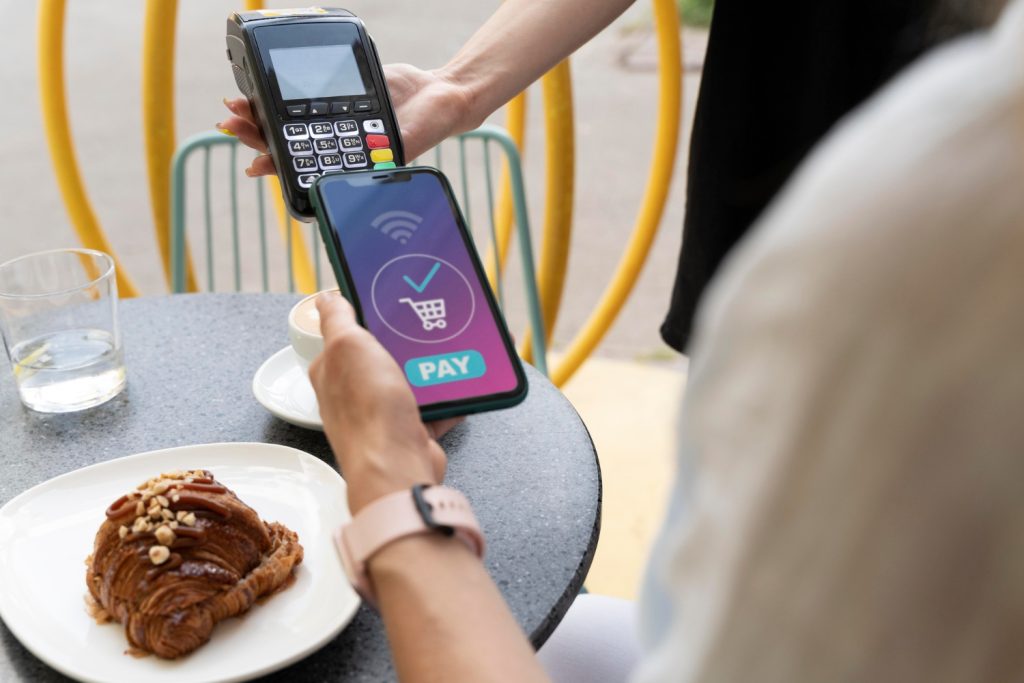
Looking ahead, contactless payments are poised to remain a cornerstone of card usage growth, even as new technologies emerge. Mobile wallets, wearables, and biometric authentication often rely on the same underlying contactless infrastructure, reinforcing rather than replacing card-based systems. As limits continue to rise and authentication becomes more seamless, the distinction between small and large contactless transactions will blur further. This evolution will encourage consumers to default to tapping for nearly all in-person payments.
Moreover, contactless cards serve as an on-ramp to broader financial inclusion. For first-time card users, the simplicity of tapping reduces intimidation and encourages adoption. In emerging markets, where cash has traditionally dominated, contactless acceptance can accelerate the transition to formal digital payments. At the same time, data generated from increased card usage enables issuers to offer more personalized services, rewards, and credit products, strengthening customer relationships. Far from being a transitional feature, contactless payments are shaping the long-term relevance and growth trajectory of card usage worldwide.
Conclusion
Contactless payments have proven to be more than a convenient upgrade; they are a powerful driver of sustained card usage growth. By simplifying transactions, enhancing perceptions of safety, and expanding acceptance across sectors, contactless technology has embedded cards more deeply into everyday economic activity. Consumer habits have shifted decisively toward tapping as a default behavior, increasing both the frequency and breadth of card payments. As the payments ecosystem continues to evolve, contactless cards will remain a foundational element, supporting innovation while reinforcing the enduring role of cards in a digital-first world.