

Introduction
Over the past decade, the way consumers pay for goods and services has undergone a fundamental transformation. Physical cash, once the dominant medium of everyday transactions, is steadily giving way to digital alternatives that promise speed, convenience, and security. Among these alternatives, digital wallets have emerged as one of the most influential innovations in the global payments ecosystem. By allowing users to store card details securely and make payments with a smartphone or other connected device, digital wallets have dramatically changed consumer behavior. One of the most notable outcomes of this shift is the significant boost in credit card transaction volumes. Rather than replacing credit cards, digital wallets are amplifying their usage, embedding card-based payments more deeply into daily life. This relationship between digital wallets and credit cards is reshaping commerce, finance, and consumer expectations on a global scale.
The Evolution of Digital Wallets and Consumer Payment Behavior
Digital wallets began as relatively simple tools designed to store payment credentials electronically. Over time, they evolved into comprehensive financial platforms capable of handling multiple cards, loyalty programs, transit passes, and even peer-to-peer transfers. This evolution coincided with the widespread adoption of smartphones and improvements in mobile internet connectivity, creating the perfect environment for digital wallets to flourish. As these wallets became easier to use and more widely accepted by merchants, consumers gradually shifted away from physical cards and cash toward mobile-based payments.
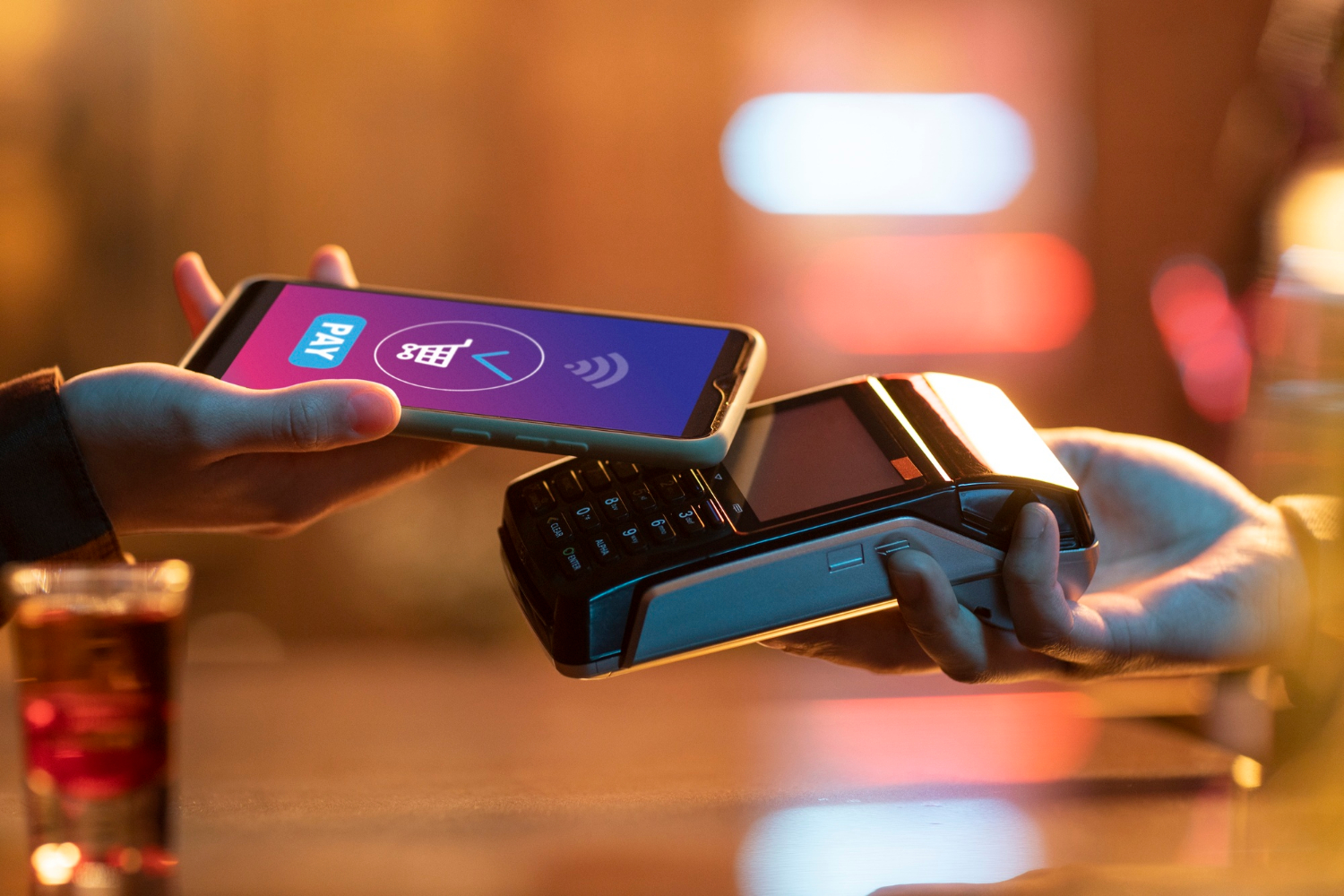
This shift has had a direct impact on how often credit cards are used. In the past, consumers might have limited card usage to larger purchases or situations where cash was inconvenient. Digital wallets removed many of these barriers by making card payments faster and frictionless. A tap of a phone or a biometric confirmation is often quicker than counting cash or even inserting a card into a terminal. As a result, consumers are increasingly comfortable using credit cards for small, everyday transactions such as coffee, groceries, and public transport. The convenience factor alone has expanded the number of transactions routed through credit cards.
Behavioral changes also play a crucial role. Digital wallets reduce the psychological “pain of paying” by abstracting the transaction process. When consumers no longer physically hand over cash or even see their card details, spending can feel less tangible. This subtle shift encourages more frequent card usage, increasing overall transaction volumes. Additionally, digital wallets often provide instant transaction notifications and spending summaries, which can paradoxically make users feel more in control, further reinforcing their willingness to use credit cards regularly.
How Digital Wallets Integrate and Amplify Credit Card Usage
At the core of most digital wallets lies the credit card. While wallets can support multiple funding sources, credit cards remain a primary option due to their widespread acceptance, reward structures, and consumer protections. Digital wallets do not eliminate the need for cards; instead, they act as a powerful interface that enhances card functionality. By storing card information securely and enabling quick authentication, wallets make credit cards more accessible than ever before.
One of the most important mechanisms through which digital wallets boost credit card transactions is tokenization. Tokenization replaces sensitive card details with encrypted tokens, reducing fraud risk while allowing seamless payments. This increased security reassures both consumers and merchants, leading to higher acceptance rates and more frequent usage. When consumers feel confident that their card information is protected, they are more likely to rely on credit cards for a broader range of transactions.
Digital wallets also streamline online and in-app purchases. E-commerce historically suffered from cart abandonment due to lengthy checkout processes. By enabling one-click or biometric-based payments, digital wallets significantly reduce friction at checkout. Credit cards stored in wallets become the default payment method, leading to higher conversion rates and more transactions. In-app purchases, subscription services, and digital content platforms particularly benefit from this integration, as users can authorize recurring or impulse payments with minimal effort.
Another amplifying factor is interoperability. Digital wallets often work across different devices, operating systems, and merchant platforms. This universality means that once a credit card is added to a wallet, it can be used almost anywhere the wallet is accepted. The result is a dramatic expansion in the contexts where credit cards are used, from physical retail stores to ride-hailing services and online marketplaces.
Merchant Adoption, Incentives, and Ecosystem Effects
Merchants play a critical role in the relationship between digital wallets and credit card transaction volumes. As consumer demand for contactless and mobile payments has grown, merchants have increasingly upgraded their point-of-sale systems to accept digital wallets. This acceptance creates a positive feedback loop: more merchants accept wallets, more consumers use them, and credit card transactions continue to rise.

From a merchant perspective, digital wallets offer several advantages that indirectly boost card usage. Transactions are typically faster, reducing checkout times and improving customer throughput. Faster transactions are especially valuable in high-volume environments such as supermarkets, quick-service restaurants, and public transport systems. When payments are quick and seamless, customers are less likely to hesitate or switch to alternative payment methods, keeping credit cards at the center of the transaction flow.
Incentives and rewards further strengthen this ecosystem. Many digital wallets integrate loyalty programs, cashback offers, and promotional discounts that are linked to credit card usage. Consumers are often encouraged to use specific cards within their wallets to earn higher rewards or exclusive benefits. These incentives drive incremental spending and increase transaction frequency. Over time, consumers may even change their preferred payment method to maximize rewards, further boosting card volumes.
The broader ecosystem effects extend beyond individual merchants. Payment networks, banks, and technology providers all benefit from increased transaction volumes, leading to continued investment in digital wallet infrastructure. This investment results in better user experiences, enhanced security features, and wider acceptance, reinforcing the cycle of growth. As digital wallets become more deeply embedded in commerce, credit cards remain the primary funding source powering this expansion.
Implications for Financial Institutions and Consumers
The rise of digital wallets has significant implications for financial institutions, particularly card issuers and banks. On one hand, increased transaction volumes translate into higher interchange fees and greater opportunities to cross-sell financial products. On the other hand, banks must adapt to a more competitive and technology-driven environment. Digital wallets often sit between the consumer and the bank, owning the user interface and customer experience. To remain relevant, financial institutions are investing in digital capabilities, partnerships, and innovative card features that align with wallet-based usage.
For consumers, the integration of credit cards into digital wallets offers both opportunities and challenges. Convenience, speed, and security are clear benefits. Consumers can manage multiple cards, track spending in real time, and enjoy rewards more easily. However, the ease of spending also raises concerns about overconsumption and debt accumulation. When credit card usage becomes effortless, some consumers may lose track of their spending, leading to financial stress if not managed carefully.
Regulatory and security considerations also come into play. As digital wallets drive higher transaction volumes, regulators are paying closer attention to data privacy, consumer protection, and systemic risk. Ensuring that wallet providers and card issuers maintain robust security standards is essential to sustaining trust in the ecosystem. From the consumer perspective, education and financial literacy become increasingly important to help individuals use these tools responsibly.
Despite these challenges, the overall impact of digital wallets on credit card usage remains largely positive. By lowering barriers to payment and enhancing the overall experience, wallets empower consumers to engage more fully in the digital economy while providing financial institutions with new growth opportunities.
Conclusion
Digital wallets are not merely an alternative to traditional payment methods; they are a powerful catalyst reshaping how credit cards are used in everyday life. By offering convenience, speed, and enhanced security, digital wallets have integrated credit cards more deeply into both physical and digital commerce. This integration has led to a significant increase in credit card transaction volumes, driven by changes in consumer behavior, widespread merchant adoption, and a supportive financial ecosystem.
Rather than rendering credit cards obsolete, digital wallets have amplified their relevance, transforming them into invisible yet indispensable components of modern payments. As technology continues to evolve, the relationship between digital wallets and credit cards is likely to grow even stronger. For consumers, merchants, and financial institutions alike, understanding this dynamic is essential to navigating the future of payments. In the years ahead, digital wallets will continue to boost credit card transaction volumes, reinforcing their role as a cornerstone of the global financial system.