

Introduction
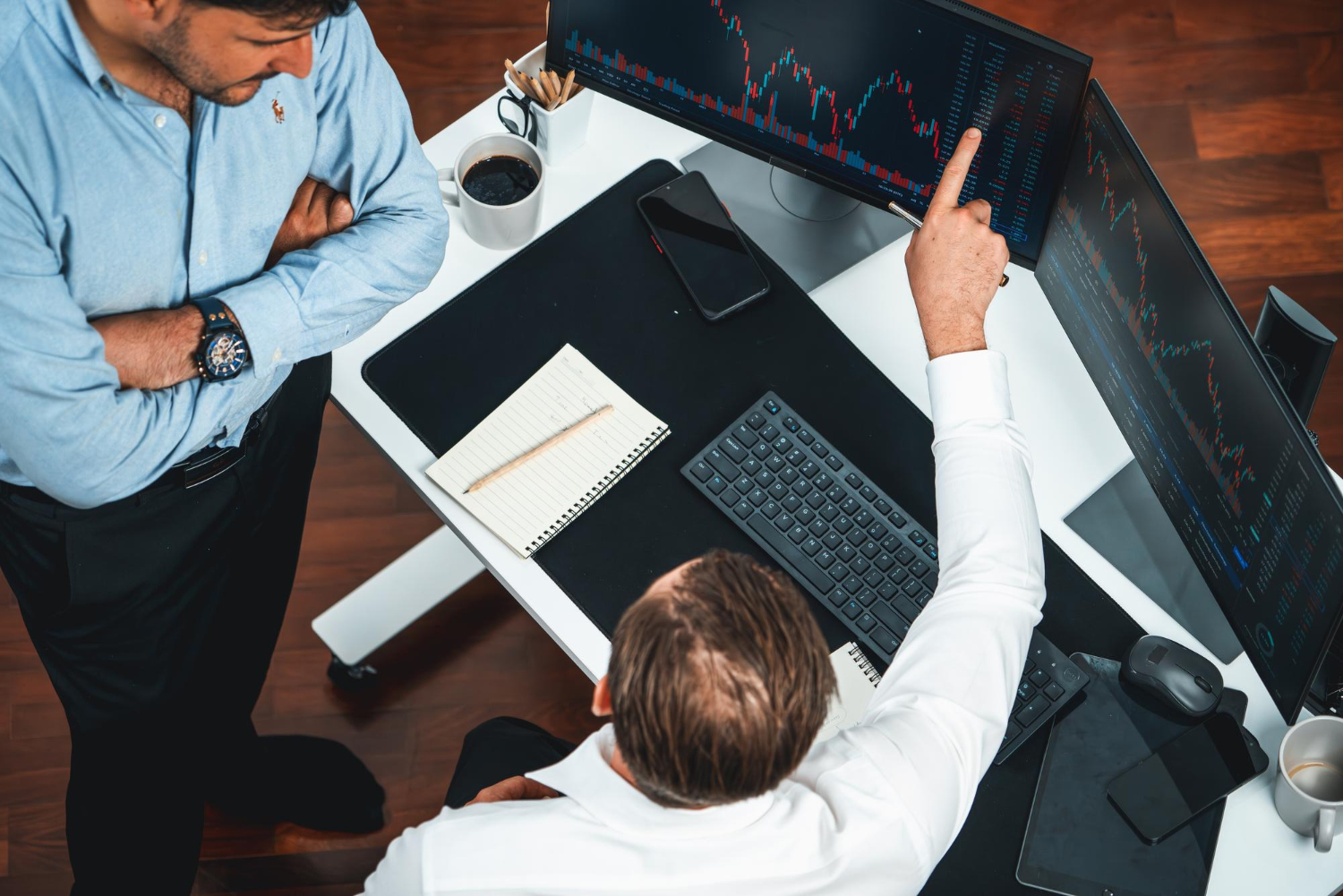
Day trading—the practice of buying and selling financial instruments within the same trading day—has gained significant popularity among retail investors due to advancements in technology, the rise of commission-free brokerages, and the allure of quick profits. While day trading can offer the potential for high returns and the excitement of a fast-paced market, it also comes with significant risks and challenges. Like any investment strategy, understanding the advantages and drawbacks is crucial for anyone considering this path.
In this comprehensive article, we’ll explore the various pros and cons of day trading stocks, providing a balanced perspective for beginners and experienced traders alike. We’ll delve into aspects like potential for profits, flexibility, autonomy, and skill development, while also addressing critical downsides like volatility, emotional stress, financial risk, and tax implications.
Opportunities for Quick Profits
One of the biggest draws of day trading is the opportunity to make quick profits. Day traders aim to capitalize on small price fluctuations, which can occur many times throughout the trading day. Skilled traders can execute multiple trades daily and generate significant returns on a consistent basis. This potential to profit quickly makes day trading highly appealing, particularly when market volatility is high.
Unlike long-term investing, where investors might wait years for returns, day trading offers almost instant feedback on trades. With the right tools and strategies, a successful day trader can generate profits that may exceed what long-term investors make annually. These returns can come from traditional stocks, ETFs, or options, allowing for diversified approaches even within short-term strategies.
However, these profits require not only market knowledge but also the ability to make fast, informed decisions. Timing the market accurately is difficult, and without a disciplined approach, traders may end up making costly errors. That said, for those who manage to master the art, the financial rewards can be substantial and relatively fast.
Flexibility and Independence in Work Style
Another major advantage of day trading is the flexibility it offers. Most day traders work independently, either from home or from co-working spaces. This freedom allows traders to create their own schedules, skip the commute, and work in an environment of their choice. Unlike traditional 9-to-5 jobs, day trading allows for a self-managed career path with autonomy in decision-making.
The daily routine of a trader often ends when the markets close—typically by the afternoon for U.S. markets. This leaves the rest of the day open for personal pursuits, research, or other projects. Many traders use this time to analyze past trades, develop new strategies, or deepen their financial knowledge, creating a continual learning environment.
Additionally, the independence that comes with day trading can be liberating. There are no bosses, meetings, or office politics to contend with. Traders are solely responsible for their success or failure, which appeals to many people who value control over their careers. With the rise of high-speed internet and trading platforms, virtually anyone with capital and a desire to learn can enter the field.
Skill Development and Market Knowledge
Day trading demands a high level of skill, which can become a valuable asset even outside the trading world. As traders engage in buying and selling, they develop a deep understanding of market movements, chart patterns, financial indicators, and trading psychology. Over time, this knowledge can lead to greater proficiency not only in trading but also in broader financial analysis and investment planning.
Technical analysis, a cornerstone of day trading, teaches traders how to read price charts and predict market trends. Learning to use tools like moving averages, Bollinger Bands, Relative Strength Index (RSI), and MACD can provide insights into both short-term and long-term investment strategies. Additionally, keeping up with economic news, earnings reports, and geopolitical events sharpens one’s macroeconomic awareness.
This constant engagement with the market helps build critical thinking, decision-making, and emotional regulation skills. Successful traders also cultivate discipline, patience, and risk management strategies—qualities that are applicable to many aspects of life and business.
Moreover, the practice of journaling trades, analyzing mistakes, and refining strategies can build a continuous improvement mindset. Whether or not someone chooses to day trade long-term, the analytical and behavioral skills developed through this endeavor can be extremely valuable.
High Risk and Potential for Significant Losses
While day trading can be lucrative, it’s important to recognize the considerable risk involved. The same market volatility that offers opportunities for profit can also result in large losses—sometimes within minutes. Unlike long-term investing, which often recovers from short-term downturns, day traders must close all positions by the end of the trading day, locking in both gains and losses.
One of the most common pitfalls is over-leveraging. Many brokers offer margin accounts that allow traders to borrow money to increase their position sizes. While leverage can amplify gains, it can also magnify losses. A single bad trade can wipe out a large portion of a trader’s capital, especially if proper risk management techniques aren’t followed.
Another risk is the potential for slippage—the difference between the expected price of a trade and the actual executed price. In fast-moving markets, trades may not be filled at the expected price, resulting in unexpected losses. Technical issues, such as internet connectivity problems or platform glitches, can also disrupt trades at critical moments.
For these reasons, day trading is often compared to gambling. Without strict discipline and a well-tested strategy, the likelihood of long-term success diminishes rapidly. Many novice traders experience losses within their first year and ultimately exit the market entirely.
Emotional and Psychological Strain
The psychological demands of day trading can be intense. Traders face a constant stream of information, time-sensitive decisions, and the emotional rollercoaster of wins and losses. This environment can lead to stress, anxiety, and burnout, particularly when real money is on the line.
Unlike long-term investing, which requires occasional adjustments, day trading requires constant attention. Traders must stay glued to their screens for hours, watching market movements in real time. This can be mentally exhausting and physically taxing, especially over long periods. The pressure to perform consistently, meet daily profit targets, or recover from previous losses can create emotional fatigue.
The emotional aspect of trading—fear, greed, regret, and overconfidence—can also lead to poor decision-making. Even the most well-thought-out strategy can be derailed by panic selling or impulsive buying. Emotional discipline is a key trait of successful traders, but it takes time and experience to develop.
To cope, some traders incorporate mindfulness techniques, scheduled breaks, or even work with trading psychologists to manage their mental health. Nonetheless, it remains a high-stress occupation that may not suit everyone, especially those who thrive in more stable, predictable environments.
Regulatory and Tax Implications
Day traders must also consider the regulatory and tax landscape associated with frequent trading. In many countries, including the United States, short-term capital gains are taxed at higher rates than long-term investments. Profits from trades held for less than one year are typically taxed as ordinary income, which can significantly reduce net returns.
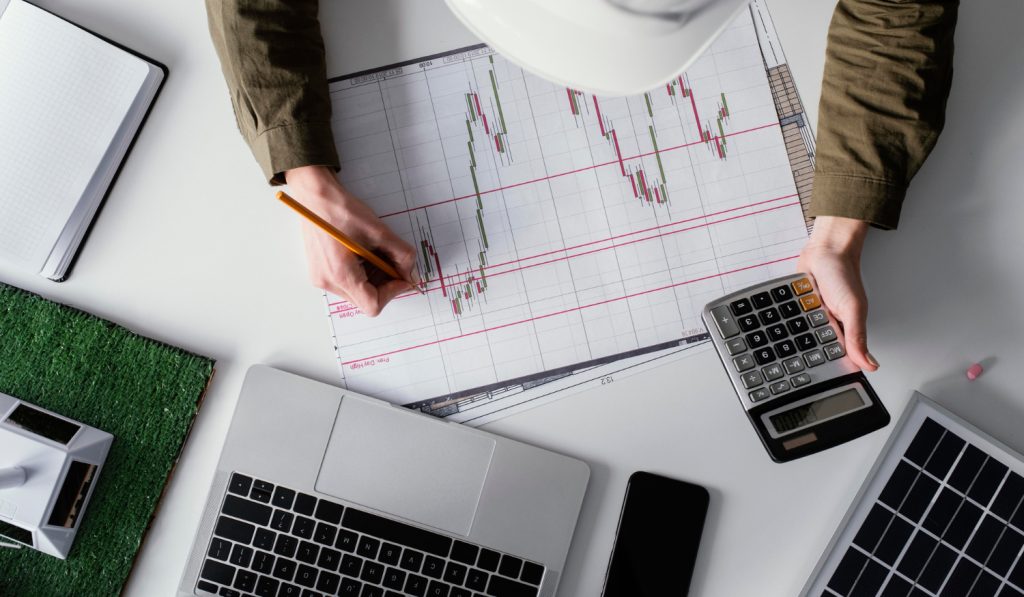
Moreover, traders must maintain detailed records of each transaction for tax reporting purposes. This includes dates, entry and exit prices, commission costs, and the resulting gain or loss. The burden of recordkeeping can be substantial, especially for those who execute dozens of trades daily.
Certain countries also require traders to qualify as “pattern day traders,” a designation that comes with regulatory requirements. In the U.S., for instance, pattern day traders must maintain a minimum of $25,000 in their brokerage account if they make more than four day trades within five business days. Falling below this threshold can result in account restrictions or trading suspensions.
In addition to taxes, traders must stay updated with evolving regulations concerning algorithmic trading, market manipulation, and insider trading. Non-compliance, even unintentional, can lead to audits, penalties, or legal consequences. As such, professional guidance from accountants or tax advisors familiar with trading is often necessary.
Technology Dependence and Learning Curve
Modern day trading is heavily reliant on technology. Traders must use advanced platforms with real-time data feeds, fast execution capabilities, and charting tools. While this technology enables precision and efficiency, it also introduces a steep learning curve and potential technical risks.
Choosing the right trading software, learning how to navigate its features, and setting up alerts or automated systems require time and effort. New traders often face a barrier when transitioning from basic platforms to more advanced ones. Mistakes made during execution—such as entering the wrong order type—can result in losses.
Technical glitches can also have serious consequences. A momentary loss of internet connection or a software crash during a trade can prevent a trader from closing a position or setting a stop-loss. Backup systems, mobile apps, and redundant internet connections are often necessary to mitigate such risks.
Moreover, the trading environment is highly competitive, with institutional traders using high-frequency algorithms and powerful tools. Retail traders must continually upgrade their skills and technology to remain relevant, which can become expensive and time-consuming.
Limited Scalability and Long-Term Uncertainty
Unlike traditional businesses or long-term investing, day trading does not easily scale. Most day traders are self-employed individuals working alone, and their income is directly tied to the number of successful trades they can make. While some traders grow their capital over time, scaling often means increasing risk rather than expanding operations.
Day trading also lacks long-term stability. The markets are constantly evolving, and a strategy that works today may become obsolete tomorrow. Regulatory changes, new technology, or shifts in market behavior can render certain techniques ineffective. As a result, traders must remain adaptable and willing to revise their approaches frequently.
This long-term uncertainty makes it difficult to plan for retirement or consistent income. Unlike salaried jobs or dividend-generating investments, day trading offers no guaranteed returns. For many, it remains a high-risk venture rather than a dependable career.
Additionally, the profession has limited social and networking opportunities, which can lead to isolation. Most traders operate solo, and the lack of team dynamics or mentorship can slow down growth. Although online communities and forums exist, they vary widely in quality and reliability.
Conclusion
Day trading stocks is a complex, high-stakes endeavor that combines opportunity, autonomy, and personal development with substantial risk, emotional stress, and regulatory challenges. While it can offer the excitement of fast-paced decision-making and the possibility of financial freedom, it also demands a significant investment of time, capital, and mental energy.
For those who possess the discipline, technical skills, and risk tolerance, day trading can be a rewarding pursuit. However, it’s not a shortcut to wealth, nor is it suitable for everyone. Before diving into day trading, individuals should thoroughly educate themselves, test strategies through paper trading, and evaluate their emotional readiness.
In the end, the decision to pursue day trading should be grounded in realism and preparation, with a clear understanding of both the potential rewards and the very real dangers involved.