

Introduction
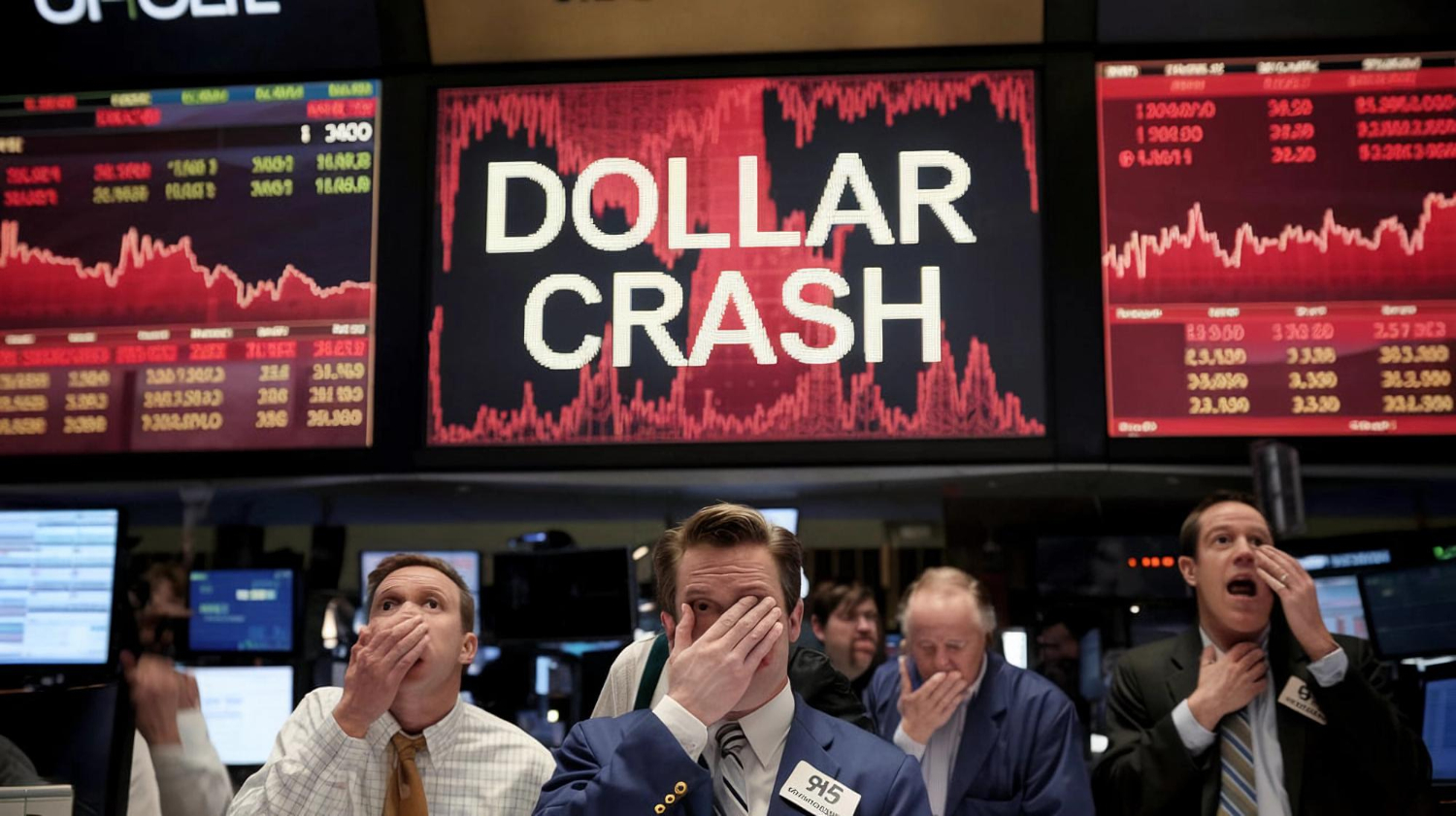
Economic downturns are inevitable in the cyclical nature of global and national economies. Whether triggered by financial crises, pandemics, wars, supply chain disruptions, or natural disasters, downturns test the resilience of governments and their ability to stabilize economies, protect citizens, and rebuild confidence. When economic activity slows, unemployment rises, investment declines, and consumer spending contracts, governments are called upon to intervene decisively.
Their response strategies typically aim to restore growth, ensure social stability, and prevent long-term structural damage to the economy. Governments employ a range of fiscal, monetary, and structural policies—each with distinct objectives, tools, and outcomes. While fiscal policies focus on government spending and taxation, monetary policies target liquidity and credit conditions. Structural policies, meanwhile, aim at long-term economic reforms and resilience-building.
This article explores how governments respond to economic downturns through three critical lenses: (1) fiscal policy interventions, (2) monetary and financial measures, and (3) structural and social stabilization strategies. It concludes by assessing the lessons learned from past crises and how modern governments can better prepare for future downturns.
Fiscal Policy Interventions: Stimulating Growth Through Public Spending and Taxation
Fiscal policy forms the backbone of governmental responses to economic downturns. It involves deliberate adjustments in government expenditure and taxation to influence aggregate demand and economic activity. During downturns, the central aim of fiscal intervention is to stimulate demand, protect jobs, and stabilize income levels.
1.1 Expansionary Fiscal Policy
In times of economic contraction, governments typically adopt expansionary fiscal policies—increasing public spending and cutting taxes—to inject money into the economy. This boosts household consumption, corporate investment, and overall demand. For instance, during the 2008 Global Financial Crisis (GFC), countries such as the United States and China launched massive fiscal stimulus packages. The U.S. government, through the American Recovery and Reinvestment Act (ARRA) of 2009, allocated nearly $831 billion to infrastructure, healthcare, and renewable energy. Similarly, China implemented a $586 billion stimulus focused on construction and industrial support.
Such spending not only creates immediate employment opportunities but also lays the foundation for long-term productivity through investment in public goods such as roads, schools, and digital infrastructure.
1.2 Automatic Stabilizers and Social Welfare Programs
Another key aspect of fiscal response lies in automatic stabilizers—mechanisms built into government budgets that automatically adjust spending and taxation in response to economic conditions. These include unemployment benefits, progressive taxation, and social security programs. When the economy contracts, more people qualify for benefits, and tax receipts fall, effectively cushioning households from income shocks without requiring new legislation.
For example, during the COVID-19 pandemic, automatic stabilizers played a crucial role in cushioning millions of workers suddenly displaced by lockdowns. Governments expanded unemployment benefits, distributed direct cash transfers, and introduced wage subsidy programs to keep people employed. These efforts prevented deeper recessions and maintained consumer spending levels that supported economic recovery.
1.3 Fiscal Multipliers and Effectiveness
The success of fiscal interventions depends on fiscal multipliers—the ratio of a change in output to an initial change in spending or taxation. Public investment in infrastructure or social transfers generally has high multipliers, especially during recessions when idle resources are abundant. On the other hand, tax cuts may have smaller multipliers if consumers choose to save rather than spend.
Empirical research shows that fiscal multipliers are larger in severe downturns, when monetary policy is constrained (such as at the zero lower bound). This means government spending becomes a more powerful tool when private demand collapses and interest rates cannot be lowered further. Hence, the timing, size, and composition of fiscal measures are critical in determining their overall impact.
1.4 Fiscal Challenges and Debt Sustainability
While expansionary fiscal policy is crucial during recessions, it often leads to rising public debt levels. Governments must balance the short-term need for stimulus with the long-term need for fiscal sustainability. High debt levels can constrain future policy flexibility, raise borrowing costs, and crowd out private investment. However, modern economic thinking emphasizes that premature austerity—cutting spending too soon—can derail recovery and prolong unemployment.
The Eurozone crisis of the early 2010s illustrates this dilemma. Countries like Greece and Spain, pressured into fiscal austerity, experienced prolonged stagnation and social unrest. In contrast, nations that maintained countercyclical fiscal policies, like the U.S. and Japan, recovered more quickly. Thus, governments must ensure fiscal interventions are targeted, temporary, and transparent, with credible plans for debt management once growth resumes.
Monetary and Financial Measures: Ensuring Liquidity and Market Confidence
While fiscal policy deals with government budgets, monetary policy—implemented by central banks—controls money supply, interest rates, and credit conditions. During economic downturns, monetary authorities play a vital role in stabilizing financial markets, ensuring liquidity, and lowering borrowing costs to stimulate investment and consumption.
2.1 Interest Rate Reductions and Quantitative Easing
One of the most immediate tools in a central bank’s arsenal is the reduction of policy interest rates. Lower rates make borrowing cheaper, encourage investment, and reduce debt-servicing burdens for households and businesses. However, in deep recessions—especially when rates approach zero—traditional policy becomes less effective. To overcome this limitation, central banks turn to unconventional monetary tools, most notably Quantitative Easing (QE).
QE involves large-scale purchases of government bonds and other securities to inject liquidity into the financial system. This lowers long-term interest rates, boosts asset prices, and restores investor confidence. The U.S. Federal Reserve, European Central Bank (ECB), and Bank of Japan have all employed QE extensively since the 2008 crisis, and again during the COVID-19 pandemic, to prevent financial collapse.
2.2 Financial Sector Support and Credit Facilities
Economic downturns often coincide with financial instability—banks face rising loan defaults, markets become risk-averse, and liquidity evaporates. In such times, governments and central banks introduce targeted credit facilities to maintain financial stability. These include emergency lending to banks, guarantees for interbank loans, and special programs to support small and medium enterprises (SMEs).
For example, during the COVID-19 crisis, the U.S. Federal Reserve launched the Main Street Lending Program and Paycheck Protection Program (PPP) to ensure liquidity for small businesses. Similarly, the European Central Bank expanded its Targeted Long-Term Refinancing Operations (TLTROs) to sustain credit flow. These interventions prevented a wave of bankruptcies and maintained the functioning of financial markets during extreme uncertainty.

2.3 Exchange Rate and Inflation Management
In open economies, monetary policy must also manage exchange rate stability and inflation expectations. Economic downturns often lead to capital flight, currency depreciation, and imported inflation. Central banks may intervene in foreign exchange markets to stabilize their currencies, especially in emerging economies vulnerable to external shocks.
At the same time, controlling inflation is critical for maintaining purchasing power and investor confidence. However, during recessions, deflation—falling prices—can be more dangerous, as it discourages spending and investment. Thus, central banks often tolerate or even target moderate inflation to stimulate demand. The delicate balance between controlling inflation and supporting growth is a hallmark of effective monetary management during downturns.
2.4 Coordination Between Fiscal and Monetary Policy
Perhaps the most crucial lesson from modern crises is the importance of policy coordination. Fiscal and monetary authorities must work in tandem to achieve maximum impact. When central banks keep interest rates low, fiscal stimulus becomes more potent. Conversely, when fiscal policy injects demand into the economy, it reinforces the central bank’s efforts to maintain liquidity and confidence.
The COVID-19 response exemplified such coordination. Central banks provided abundant liquidity and stabilized markets, while governments deployed massive fiscal packages to support households and businesses. This combined approach prevented a depression-level collapse and enabled rapid recovery once restrictions lifted.
Structural and Social Stabilization Strategies: Building Long-Term Economic Resilience
While fiscal and monetary measures address short-term stabilization, structural and social policies are essential for ensuring long-term economic resilience. These strategies aim to enhance productivity, diversify the economy, and strengthen the social fabric to better withstand future shocks.
3.1 Labor Market Reforms and Employment Protection
Economic downturns often lead to widespread job losses, wage cuts, and skill erosion. Governments must therefore focus on labor market policies that protect workers and promote re-employment. This includes job retention schemes, training programs, and labor mobility initiatives.
For instance, Germany’s Kurzarbeit (short-time work) program, which subsidizes wages for reduced working hours, proved highly effective during both the 2008 crisis and the pandemic. It preserved employment relationships, maintained household income, and enabled faster recovery once demand rebounded. Similarly, investment in re-skilling and digital literacy prepares workers for emerging sectors like technology, healthcare, and green energy.
3.2 Strengthening Social Safety Nets
Downturns disproportionately affect vulnerable groups—low-income households, informal workers, and small businesses. Governments must therefore reinforce social protection systems such as unemployment insurance, food assistance, and healthcare access. These measures not only prevent poverty and inequality from worsening but also support aggregate demand by maintaining household spending power.
Countries with strong welfare systems, such as those in Scandinavia, have historically shown greater economic resilience and social cohesion during recessions. Conversely, weak safety nets can lead to social unrest, reduced consumer confidence, and prolonged stagnation.
3.3 Promoting Structural Transformation and Innovation
Beyond immediate recovery, governments must leverage downturns as opportunities for economic transformation. Crises often expose structural weaknesses—overreliance on specific industries, inefficient public systems, or outdated infrastructure. Strategic public investment in innovation, digitalization, renewable energy, and education can lay the foundation for a more sustainable and competitive economy.
The post-2008 recovery in several countries demonstrated this shift. For example, South Korea and Germany increased investment in green technologies and high-value manufacturing, creating new growth engines. Likewise, the pandemic accelerated global adoption of remote work, e-commerce, and automation, prompting governments to support digital infrastructure and small-business digitalization programs.
3.4 Global Cooperation and Multilateral Support
Modern economies are deeply interconnected, meaning that crises often have global spillover effects. Therefore, effective responses require international coordination through institutions like the International Monetary Fund (IMF), World Bank, and G20. These bodies provide financial assistance, technical guidance, and policy coordination to stabilize global markets.
For example, during the 2020 crisis, the IMF offered emergency lending to over 80 countries, while the G20 launched the Debt Service Suspension Initiative (DSSI) to help low-income nations manage debt pressures. Global cooperation ensures that national responses are not undermined by external vulnerabilities such as capital flight, trade disruptions, or currency volatility.
3.5 Balancing Growth with Sustainability
Finally, governments today face the dual challenge of reviving growth while ensuring environmental and fiscal sustainability. Economic downturns can be inflection points for green transformation—redirecting investment toward clean energy, sustainable agriculture, and low-carbon infrastructure. Initiatives like the European Green Deal and the Inflation Reduction Act (USA) demonstrate how governments can align crisis recovery with long-term sustainability goals.
Conclusion
Economic downturns are defining tests of governance, resilience, and foresight. History has shown that timely, coordinated, and well-targeted government interventions can transform crises into opportunities for renewal. Through expansionary fiscal policies, accommodative monetary measures, and structural reforms, governments can not only stabilize economies but also pave the way for more equitable and sustainable growth.
However, no single policy guarantees success. The effectiveness of government responses depends on context, credibility, and coordination. Fiscal measures must be well-designed and inclusive; monetary policies must maintain trust and stability; and structural reforms must focus on long-term competitiveness and social welfare. Moreover, global cooperation remains indispensable in addressing transnational shocks—from pandemics to climate change.
Ultimately, the goal of any government during an economic downturn is not merely to restore pre-crisis conditions, but to build back better—creating stronger, fairer, and more resilient economies capable of withstanding future challenges.