

Introduction
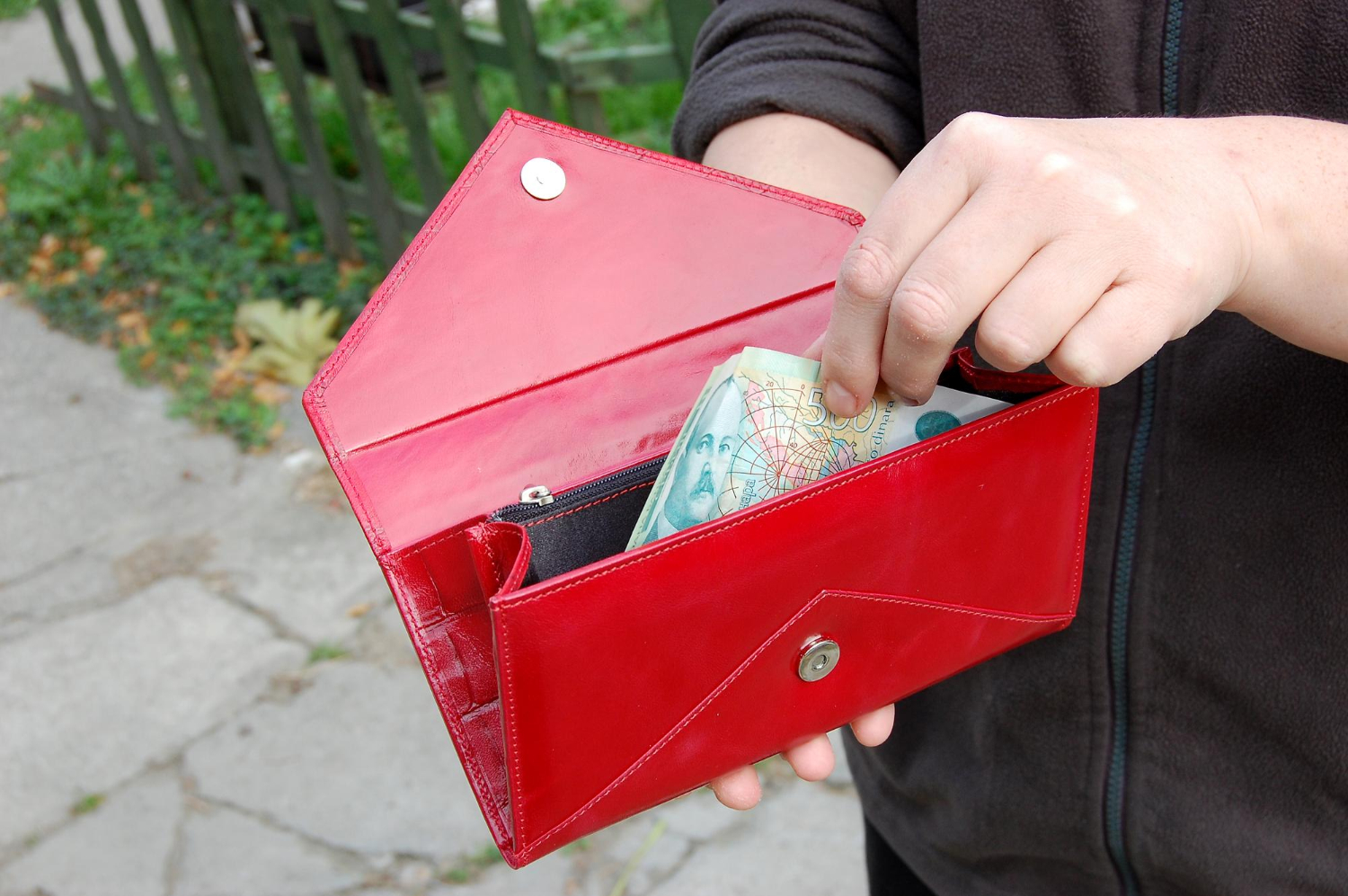
Managing personal finances can be one of the most challenging aspects of adult life, especially in an age of digital transactions and consumer temptations. However, traditional methods often offer the most disciplined approaches. One such method is the cash envelope system—a simple, tangible way to allocate and control spending. This system, although decades old, remains remarkably effective in today’s complex financial world. In this article, we explore the philosophy behind the cash envelope method, how to implement it effectively, and the psychological and practical benefits that come with its use.
Understanding the Philosophy and Foundation of the Cash Envelope System
Before diving into the mechanics of using cash envelopes, it is crucial to understand the underlying philosophy that drives this budgeting technique. The cash envelope system is based on the principle of proactive spending—a system that allocates a specific amount of money for each category of expenses before the spending even begins. This contrasts sharply with reactive budgeting, where people track what they’ve already spent in hopes of changing behavior retrospectively.
Origins and Concept
The cash envelope system was popularized by Dave Ramsey, a renowned personal finance advisor, though the concept itself predates his advocacy. The method relies on physical cash and envelope categories to impose clear limits on discretionary and variable spending. The central idea is simple: once the money in an envelope is gone, no more spending is allowed in that category until the next budgeting period.
This technique introduces zero-based budgeting, where every rupee or dollar is assigned a role—either spent, saved, or invested—leaving no unallocated funds. By restricting spending to what is physically available, individuals are less likely to overspend or fall into the trap of impulsive purchases enabled by credit cards and mobile payment apps.
Why It Works
At its core, the system works because it taps into fundamental psychological triggers:
- Visual and tactile feedback: Physically seeing cash diminish as you spend creates a direct and emotional connection to money that digital payments cannot replicate.
- Loss aversion: Psychologists have long noted that people feel the pain of losing money more intensely than the pleasure of gaining it. Watching cash leave your hand activates this mechanism.
- Spending mindfulness: Using envelopes forces conscious thought. Each transaction becomes deliberate, reducing the tendency for impulsive buying.
In contrast, modern electronic transactions are frictionless. A swipe, click, or tap gives the illusion of unlimited resources, detaching people from the reality of their financial limitations. The cash envelope system restores that lost connection.
Step-by-Step Guide: Setting Up and Using Cash Envelopes Effectively
Implementing the cash envelope system requires initial preparation, commitment, and consistency. This section offers a practical, step-by-step guide to help individuals or families start using the method and tailor it to their specific financial needs.
Step 1: Evaluate Your Monthly Income and Expenses
The first step is gaining a clear understanding of your monthly net income (after taxes) and fixed expenses. Track your income and list all non-negotiable expenses such as:
- Rent or mortgage
- Utilities (electricity, water, gas)
- Insurance premiums
- Debt repayments (EMIs, credit card minimums)
- Subscriptions (e.g., internet, streaming services)
Subtract these fixed expenses from your total income. The remaining amount is your variable spending allowance, which will be managed using cash envelopes.
Step 2: Identify Categories for Cash Envelopes
Next, decide which spending categories are best suited for cash management. Typically, these are variable or discretionary expenses where overspending often occurs. Common categories include:
- Groceries
- Dining out
- Entertainment
- Clothing
- Personal care
- Transportation (fuel, auto repairs)
- Miscellaneous (gifts, home supplies)
Avoid using envelopes for fixed or automatic payments like rent or online subscriptions, as these are either consistent or electronically processed.
Step 3: Set Spending Limits per Category

Assign a specific amount of cash to each envelope based on past spending patterns and your budgetary goals. Be realistic yet firm. For example:
- Groceries: ₹6,000
- Dining Out: ₹2,000
- Entertainment: ₹1,000
- Fuel: ₹3,000
- Clothing: ₹1,500
This process requires reviewing past bank and credit card statements to estimate average monthly spending. Adjust these limits as needed in the first couple of months.
Step 4: Withdraw Cash and Fill Envelopes
Withdraw the total cash needed for the envelopes at the beginning of your budget cycle—usually monthly or biweekly. Sort the cash into clearly labeled envelopes corresponding to each spending category. You can use traditional paper envelopes, zippered pouches, or even accordion folders depending on your preference.
To avoid mixing funds, label each envelope with:
- The category name
- The allocated amount
- The budget period (e.g., “August 1–31”)
Step 5: Use the Envelopes for All Category Purchases
Only spend from the appropriate envelope when making a purchase in that category. If you buy groceries, take cash from the “Groceries” envelope only. Do not borrow from other envelopes unless absolutely necessary, and if you do, record it so you remain aware of the shift in funds.
When the envelope is empty, that’s it—no more spending in that category until the next budgeting period. This natural restriction forces you to either rethink your spending priorities or go without until the budget resets.
Step 6: Track, Reflect, and Adjust
At the end of the month, review each envelope:
- Did you have cash left over?
- Did you run out too early?
- Were there unnecessary expenses?
- Did you “steal” from other envelopes?
These observations help you adjust allocations for future months. Any leftover money can be rolled over, saved, or used as a buffer for underfunded categories.
Digital tracking tools like spreadsheets or budgeting journals can enhance this process. Although the system is low-tech, integrating manual tracking can help refine your approach.
Benefits, Challenges, and Long-Term Impact on Financial Behavior
The cash envelope system may appear simple, but its long-term impact on personal finance can be profound. However, like any habit-changing method, it comes with both benefits and challenges. Understanding these can help set realistic expectations and improve adherence.
Psychological and Behavioral Benefits
- Enhanced Spending Awareness
Physically handling money fosters mindfulness. Each purchase becomes an intentional act, making it easier to differentiate between needs and wants. - Reduced Impulse Buying
Since there’s no credit or debit card involved, spontaneous purchases become less frequent. Having to go home to get more money is often enough deterrent. - Debt Prevention and Reduction
By spending only what is available, users naturally avoid overspending and relying on credit, which can drastically reduce debt accumulation. - Goal-Oriented Mindset
Leftover envelope money can be repurposed for goals such as vacations, emergency funds, or investment. This instills a forward-thinking mindset and motivation to save. - Empowerment and Control
Many users report feeling more in control of their finances and less anxious about money. This sense of financial autonomy contributes to mental well-being.
Common Challenges and How to Overcome Them
- Inconvenience in a Cashless World
Carrying cash may feel outdated in an era of mobile payments. However, you can limit envelopes to categories where cash is most practical (e.g., food, shopping) while paying fixed bills online. - Security Risks
Cash can be lost or stolen. Use a secure wallet and avoid carrying all envelopes at once. Home safes or lockable drawers can protect unused envelopes. - Discipline and Consistency
It’s easy to revert to card usage out of habit. To counter this, use digital tools (e.g., envelope tracking apps) or keep cards out of your daily wallet to reinforce discipline. - Irregular Income
For freelancers or gig workers, fluctuating income can make envelope planning difficult. In such cases, use a base budget based on your lowest average income and allocate envelopes conservatively. - Social Stigma
Pulling out cash in social settings might feel awkward. Normalize the behavior by remembering it’s about long-term gain, not short-term appearances.
Integrating with Digital Alternatives
For those who prefer digital tools but want the envelope philosophy, several apps simulate the envelope method virtually:
- Goodbudget: A digital envelope budgeting app that lets you assign money to categories and track spending.
- Mvelopes: Offers virtual envelopes and integrates with bank accounts for automated tracking.
- YNAB (You Need A Budget): Based on envelope budgeting, with robust analytics and goal tracking features.
You can also use prepaid cards or wallets (e.g., Paytm, PhonePe wallets) to allocate limited funds digitally while maintaining the envelope concept.
Long-Term Impact
Adopting the cash envelope system can lead to significant long-term benefits:
- Better savings rates
- Debt-free living
- Financial resilience during emergencies
- A stronger grasp of personal finance
- Sustainable budgeting habits passed on to family and children
For many, what begins as a simple budgeting exercise becomes a lifestyle transformation that promotes intentional living—a life where every rupee has a purpose and every purchase aligns with personal values and goals.
Conclusion
The cash envelope system is a timeless, proven method for regaining control over your finances. While it may seem simplistic in our increasingly digital world, its strength lies in its tangible, mindful, and disciplined approach to money management. By allocating cash to specific envelopes, individuals become more aware of their spending habits, reduce reliance on credit, and gain confidence in their financial decisions.
Though challenges exist—such as inconvenience and the learning curve—the psychological and financial benefits far outweigh them. Whether you are trying to pay off debt, save for a goal, or simply become more intentional with money, the cash envelope system offers a practical, low-tech solution to high-stakes financial stress.
In the end, it is not about restricting yourself—it’s about liberating yourself from the anxiety of uncertainty. With a little planning, discipline, and commitment, the cash envelope system can become the cornerstone of a more secure and purposeful financial life.