

Introduction
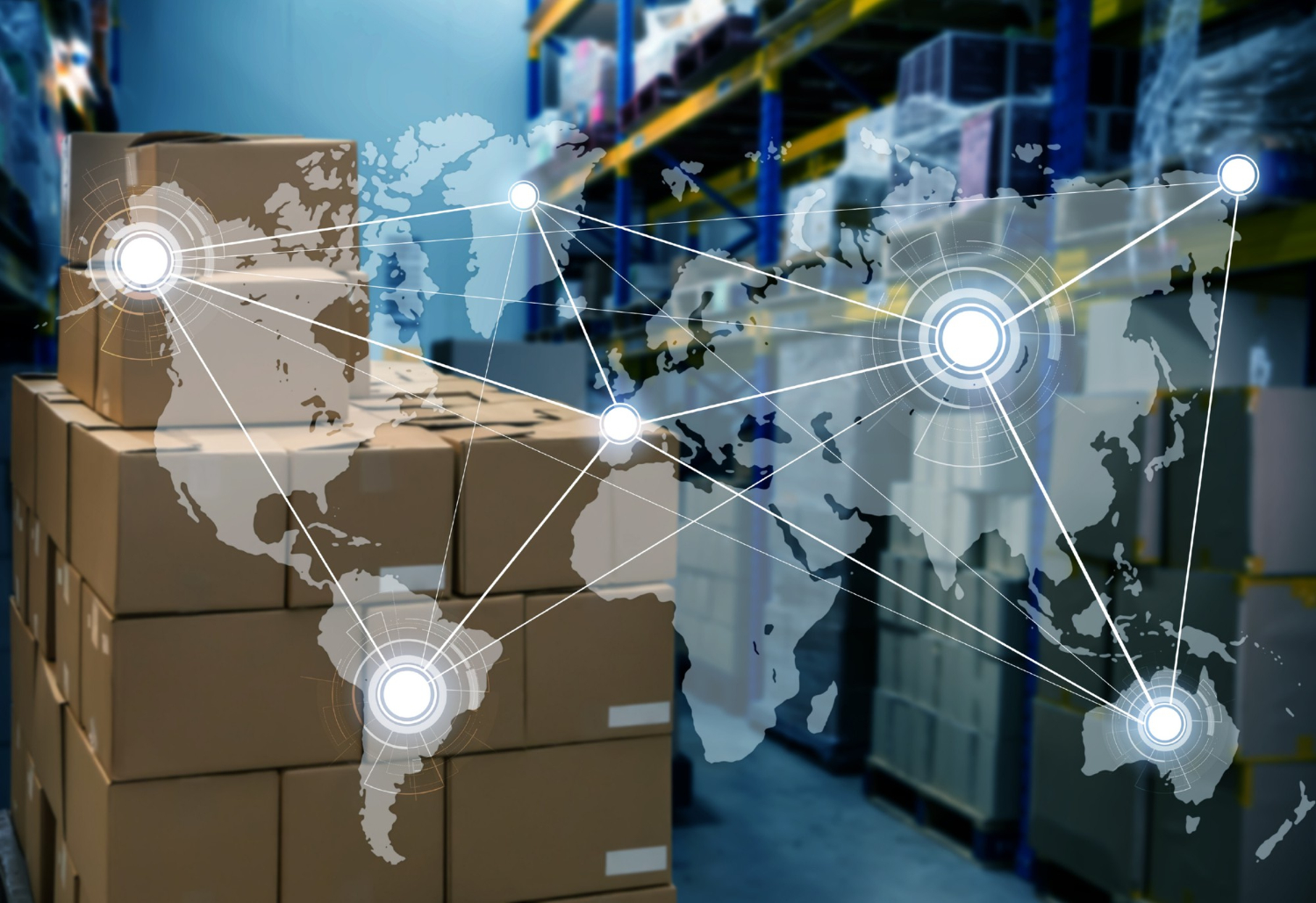
In an era of increasing environmental consciousness and consumer awareness, businesses are under growing pressure to demonstrate accountability in their supply chains. Supply chain transparency is no longer just a regulatory requirement; it is a critical factor influencing brand reputation, customer loyalty, and sustainable growth. Consumers, investors, and governments are demanding that organizations not only deliver quality products but also operate responsibly, ethically, and sustainably.
However, achieving such transparency is easier said than done. Traditional supply chains are complex, often spanning multiple countries, suppliers, and intermediaries. Tracking the origin of raw materials, ensuring fair labor practices, and monitoring environmental impacts throughout the production and delivery processes can be daunting. Conventional record-keeping methods, such as paper-based documentation or centralized databases, are prone to errors, fraud, and manipulation, which compromise the reliability of sustainability claims.
This is where blockchain technology comes into play. By providing a decentralized, immutable, and transparent ledger, blockchain has the potential to revolutionize supply chain management. It enables companies to track and verify every transaction, movement, and transformation of products across the supply chain, offering a new level of accountability and trust. Blockchain is increasingly being recognized not just as a financial technology, but as a transformative tool for enhancing sustainability, ethical sourcing, and corporate responsibility.
This article explores the role of blockchain in promoting supply chain transparency and sustainability, focusing on three major dimensions: traceability and accountability, reducing environmental impact, and fostering ethical practices.
Enhancing Traceability and Accountability
One of the most compelling applications of blockchain in supply chain management is its ability to provide end-to-end traceability. Traceability is critical for sustainability because it allows companies and consumers to verify the origin and journey of products. Blockchain creates a decentralized ledger where each transaction is recorded in a time-stamped, immutable format, visible to all authorized participants. This ensures that data about the source of raw materials, production processes, and product distribution cannot be altered or erased.
For instance, consider the coffee industry. Consumers are increasingly demanding that their coffee be sourced from farms that follow ethical labor practices and sustainable farming methods. Traditionally, verifying such claims has been challenging due to the multi-tiered nature of the supply chain, which includes farmers, cooperatives, processors, distributors, and retailers. With blockchain, each step of the supply chain can be recorded as a digital transaction. Farmers can log details about the type of coffee beans, cultivation methods, and harvesting practices. Cooperatives and processors can add information on processing techniques, certifications, and transportation. Finally, retailers can provide proof of origin to consumers. This transparency ensures that sustainability claims are verifiable, reducing the risk of greenwashing and enhancing trust.
Beyond consumer trust, blockchain also strengthens accountability among supply chain participants. Smart contracts—self-executing contracts stored on the blockchain—can enforce compliance with sustainability standards automatically. For example, if a supplier fails to meet agreed-upon environmental criteria, payment can be withheld or flagged for review. This not only incentivizes ethical behavior but also reduces the reliance on manual audits, which are often time-consuming and prone to human error.
In addition, blockchain enables real-time monitoring and reporting. Sensors, IoT devices, and RFID tags can automatically feed data into the blockchain, creating a live record of conditions such as temperature, humidity, and transportation routes. This is particularly valuable for industries like pharmaceuticals and food, where product safety and quality are directly linked to environmental conditions during transport. By combining blockchain with IoT, companies can ensure compliance with sustainability and safety standards while maintaining a transparent record accessible to regulators and consumers alike.
Several global initiatives have already demonstrated the benefits of blockchain for traceability. Walmart, for example, has partnered with IBM to create a blockchain-based system for tracking leafy greens. The system allows the company to trace the origin of produce in seconds rather than days, reducing the risk of contamination and waste while improving accountability. Similarly, De Beers, the diamond company, uses blockchain to track diamonds from mine to retailer, ensuring that they are conflict-free and ethically sourced. These examples illustrate that blockchain is not just a theoretical solution but a practical tool for enhancing traceability and accountability in diverse industries.
Reducing Environmental Impact
Sustainability is intrinsically linked to environmental responsibility, and blockchain can play a pivotal role in reducing the ecological footprint of supply chains. Modern supply chains are energy-intensive, resource-heavy, and often opaque, making it difficult to identify and mitigate environmental harm. By providing transparent, verifiable data, blockchain enables companies to optimize resource usage, reduce waste, and promote environmentally responsible practices.
One way blockchain contributes to environmental sustainability is through accurate carbon footprint tracking. Many organizations struggle to quantify emissions from suppliers, logistics, and production processes due to fragmented reporting and unreliable data. Blockchain allows every step of the supply chain to be recorded with precise information on energy usage, transportation distances, and raw material sourcing. This enables organizations to calculate the total carbon footprint of a product with greater accuracy. For instance, a clothing brand can monitor the carbon emissions associated with cotton cultivation, textile manufacturing, and shipping, and then implement targeted strategies to reduce environmental impact.
In addition to tracking emissions, blockchain can incentivize sustainable behavior through tokenization and reward systems. For example, companies can offer digital tokens or credits to suppliers that meet specific sustainability benchmarks, such as reducing energy consumption, using renewable energy, or adopting circular economy practices. These tokens can be exchanged, traded, or redeemed, creating a tangible incentive for sustainable practices. By linking blockchain to environmental performance metrics, businesses can align financial incentives with ecological responsibility, encouraging suppliers to adopt greener practices.
Blockchain also facilitates circular economy initiatives by enabling efficient product lifecycle management. In a circular economy, products are designed for reuse, recycling, and minimal waste. Blockchain can track products throughout their lifecycle, ensuring that components are reused or recycled appropriately. For example, an electronics manufacturer can use blockchain to record the composition of devices and facilitate the return of specific components for refurbishment or recycling. This transparency reduces the likelihood of e-waste and supports sustainable production practices.
Moreover, blockchain can enhance supply chain efficiency, indirectly reducing environmental impact. Transparent, real-time data enables companies to optimize routes, reduce inventory waste, and minimize overproduction. For example, logistics companies can use blockchain-based tracking to consolidate shipments, optimize delivery routes, and reduce fuel consumption. Similarly, manufacturers can better forecast demand and production schedules, minimizing excess inventory that often ends up in landfills. By improving operational efficiency, blockchain contributes to environmental sustainability while also reducing costs.
Several case studies highlight blockchain’s environmental impact potential. Everledger, a technology company, tracks high-value assets such as diamonds, fine wines, and cobalt using blockchain. In the cobalt supply chain, which is critical for batteries and electronics, blockchain helps verify ethical sourcing while ensuring compliance with environmental regulations. Similarly, Provenance, a blockchain platform, allows brands to demonstrate environmental impact and sustainability credentials for products ranging from seafood to apparel. These examples showcase how blockchain can bridge the gap between sustainability goals and measurable environmental outcomes.
Fostering Ethical Practices and Social Responsibility
Sustainability encompasses not only environmental concerns but also ethical and social responsibility. Many industries face challenges such as child labor, unfair wages, unsafe working conditions, and exploitation of vulnerable communities. Blockchain offers a solution by providing verifiable records that ensure ethical practices across the supply chain.
By enabling transparent documentation, blockchain allows companies and consumers to verify claims about labor practices, sourcing conditions, and certifications. For example, in the cocoa industry, child labor has been a persistent concern. Blockchain can track cocoa beans from farms to factories, recording information on labor conditions, fair trade certifications, and worker welfare. Consumers and regulators can then access this data to verify that products meet ethical standards, reducing the risk of human rights violations.
Smart contracts further reinforce ethical practices by automating compliance checks. Payments can be contingent upon suppliers meeting pre-defined social and ethical criteria, such as providing fair wages, safe working conditions, and community benefits. This creates accountability while reducing the need for manual audits, which are often limited in scope and prone to manipulation. By linking financial transactions to ethical compliance, blockchain encourages responsible behavior throughout the supply chain.
Moreover, blockchain fosters collaboration and trust among stakeholders. Traditionally, supply chain participants operate in silos, with limited visibility into each other’s practices. Blockchain’s decentralized ledger ensures that all authorized parties have access to the same reliable information. This transparency strengthens relationships, reduces conflicts, and enables collaborative efforts to improve sustainability. Companies can share verified data with NGOs, regulators, and industry groups to collectively address social and environmental challenges.
Blockchain also empowers consumers to make informed choices. Increasingly, customers demand transparency regarding the ethical and environmental impact of their purchases. Blockchain-based traceability allows consumers to verify claims such as “fair trade,” “organic,” or “conflict-free.” By providing accessible and trustworthy information, blockchain enables conscious consumption, driving market demand for sustainable and ethical products.
Several real-world applications illustrate blockchain’s role in promoting ethical supply chains. The apparel brand Patagonia, for example, uses blockchain to verify the sourcing of wool and cotton, ensuring animal welfare and ethical labor practices. Similarly, the diamond industry uses blockchain to eliminate “blood diamonds” by providing immutable records of the origin and ownership of stones. These initiatives demonstrate that blockchain can be a powerful enabler of social responsibility, aligning business operations with ethical principles and consumer expectations.
Conclusion
Supply chain transparency is no longer a peripheral concern; it is central to the pursuit of sustainability, ethical responsibility, and consumer trust. Traditional supply chain management faces challenges in verifying claims, preventing fraud, and ensuring accountability. Blockchain technology offers a transformative solution by providing a decentralized, immutable, and transparent ledger that records every transaction and movement in the supply chain.
Through enhanced traceability and accountability, blockchain ensures that sustainability claims are verifiable, reducing the risk of greenwashing and building trust among consumers and stakeholders. By facilitating accurate tracking of environmental impacts, enabling incentives for sustainable practices, and supporting circular economy initiatives, blockchain contributes to ecological sustainability. Moreover, blockchain fosters ethical practices and social responsibility by verifying labor conditions, ensuring fair trade, and empowering consumers to make informed choices.
While blockchain is not a silver bullet and faces challenges such as high energy consumption, scalability issues, and the need for standardized adoption, its potential to transform supply chain transparency and sustainability is undeniable. As more companies embrace this technology, blockchain could redefine how global supply chains operate, ensuring that businesses are accountable not only to shareholders but also to the environment, communities, and future generations.
In conclusion, blockchain represents a critical tool for achieving sustainable, transparent, and ethical supply chains. By leveraging this technology, businesses can enhance operational efficiency, reduce environmental impact, foster social responsibility, and ultimately meet the growing expectations of a conscientious global market. The intersection of blockchain and sustainability is not just a technological innovation—it is a pathway toward a more responsible and resilient future for supply chain management.