

Introduction
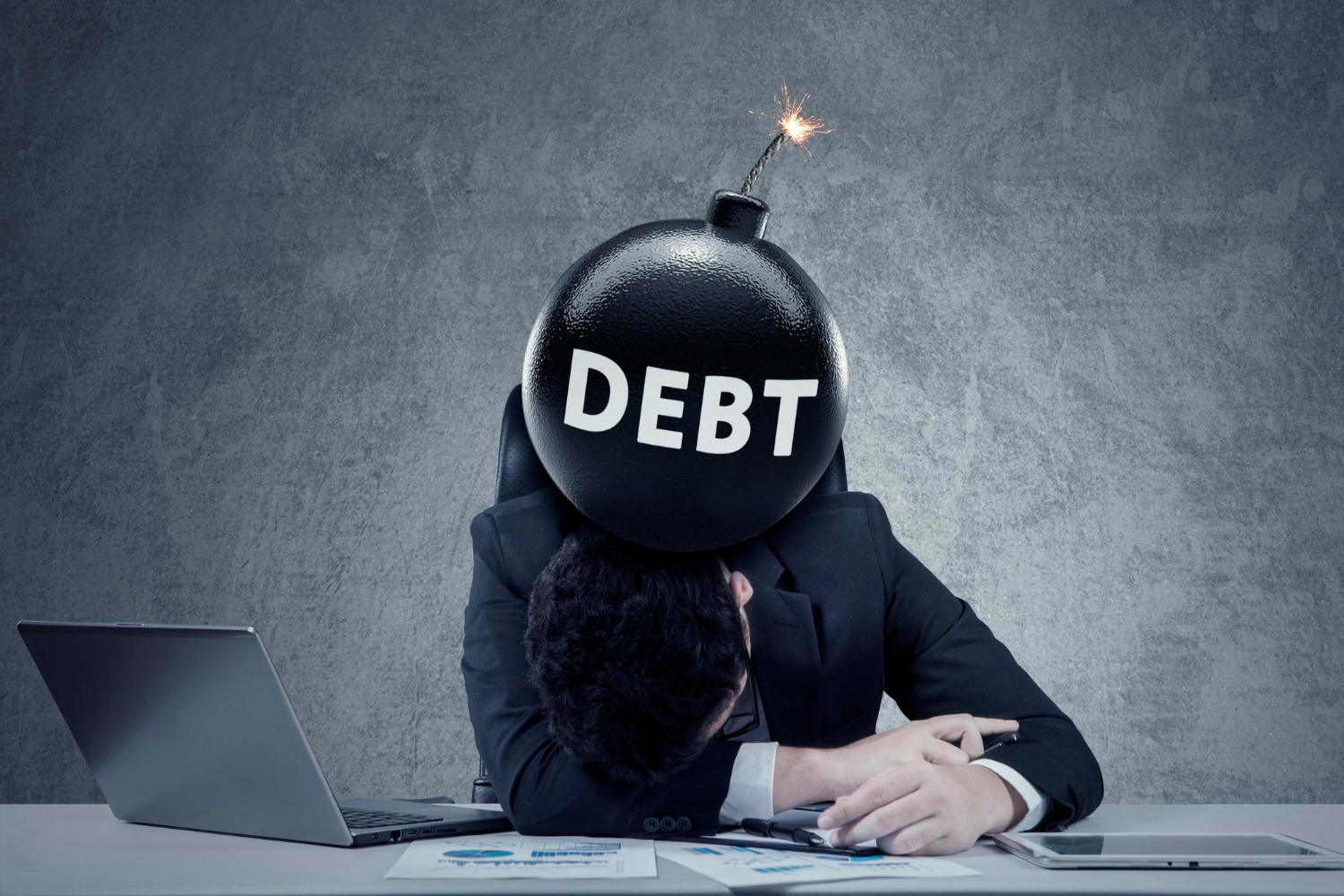
Economic cycles naturally swing between periods of expansion and contraction, but one of the most influential forces determining the severity and frequency of recessions is debt. Whether held by households, corporations, or governments, debt acts as both an economic stimulant and a potential destabilizer. When used responsibly, borrowing supports growth, innovation, employment, and investment. But when debt levels grow excessively or become unsustainable, they can magnify vulnerabilities and trigger severe economic downturns.
Throughout modern financial history, recessions have often been preceded by rising debt burdens—such as the household mortgage boom before the 2008 financial crisis or corporate leverage spikes before the early-2000s downturn. Debt itself is not inherently harmful; rather, the structure, scale, quality, and distribution of debt determine whether it becomes a catalyst for instability.
This article explores the intricate relationship between debt and recession risks. By examining household, corporate, and government debt individually, we can understand how each category contributes to economic fragility, the mechanisms through which debt amplifies downturns, and why balanced borrowing is essential for long-term financial health.
Household Debt and Its Influence on Recession Risks
Household debt—which includes mortgages, credit cards, auto loans, student loans, and personal loans—plays a central role in consumer-driven economies. When households borrow responsibly, debt boosts spending and supports economic expansion. However, excessive debt levels or risky lending practices can elevate recession risks significantly.
Debt-Fueled Consumption and Economic Growth
Consumption accounts for a large share of economic activity in most countries. Credit access allows individuals to purchase homes, vehicles, education, and durable goods they might not otherwise afford. This borrowing creates a multiplier effect: consumer spending boosts business income, which encourages hiring, investment, and further growth.
In this ideal scenario, household debt acts as a stabilizer, smoothing consumption over time and enabling upward mobility.
When Household Debt Becomes a Risk
Problems emerge when:
- Debt grows faster than household income
- Borrowers rely heavily on adjustable or high-interest loans
- Households face economic shocks (job loss, inflation, rising interest rates)
- Housing markets become overinflated
High household debt reduces financial resilience. Families become more sensitive to interest-rate hikes, unexpected expenses, and job insecurity. As repayment burdens rise, consumers cut discretionary spending—the largest component of GDP.
Reduced spending triggers a chain reaction:
- Businesses lose revenue
- Hiring slows or layoffs increase
- Confidence declines
- The broader economy contracts
This process can quickly turn what might have been a mild slowdown into a recession.
The Housing Market as a Key Vulnerability
Housing debt is often the largest component of household borrowing. Real estate plays an outsized role because:
- It represents a major store of wealth
- Homes are purchased mostly with borrowed money
- Falling housing prices can wipe out net worth
A housing crisis can devastate household balance sheets. When property values collapse while mortgage payments remain fixed or rising, borrowers face negative equity. This effect was central to the 2008 global financial crisis, which began with subprime mortgage defaults and rippled across the world through financial institutions.
Interest Rate Sensitivity
In times of rising rates, debt servicing costs increase. Households with floating-rate mortgages or credit card balances may suddenly face higher monthly payments. This squeezes budgets and leaves less room for consumption.
Thus, household debt amplifies recession risks when economies are exposed to:
- Inflationary pressures
- Tightening monetary policy
- Wage stagnation
- Volatile housing markets
Psychological Impact and Consumer Sentiment
Even before defaults occur, the perception of being overleveraged can discourage spending. If households believe their financial situations are worsening, they often adopt precautionary savings behavior, reducing consumption and adding further pressure on the economy.
In summary, household debt contributes to recession risk by limiting financial flexibility, amplifying economic shocks, and dragging down consumer confidence—making the entire system more fragile.
Corporate Debt and Its Role in Increasing or Mitigating Recession Risks
Corporate debt plays a vital role in fueling economic growth. Businesses borrow to expand operations, invest in technology, hire workers, and increase production capacity. However, corporate leverage can also become a source of systemic risk, particularly when debt is used for speculative or non-productive purposes.
The Positive Side of Corporate Borrowing
When companies borrow for productive investments:
- Innovation accelerates
- Productivity rises
- Employment increases
- GDP grows
Debt helps firms smooth cash flows, navigate seasonal variations, and scale operations. In moderate amounts, corporate leverage is both healthy and essential.
The Dark Side: Excessive Corporate Leverage
Recession risks increase when corporate debt grows unsustainably, particularly when:
- Companies borrow heavily during low-interest periods
- Debt is used to fund share buybacks rather than investment
- Firms take on high-risk loans
- Profit margins decline
- Economic demand slows
Businesses with high leverage face increased financial vulnerability. The fixed obligation to repay debt reduces flexibility, especially in economic downturns.

Corporate Defaults and Their Ripple Effects
When corporate defaults rise:
- Financial institutions take losses
- Credit becomes harder to obtain
- Unemployment increases due to layoffs
- Investor confidence declines
Certain sectors are more sensitive to debt stress, such as real estate, manufacturing, and technology startups. A wave of corporate bankruptcies can transform a slowdown into a broader recession.
“Zombie Companies” and the Misallocation of Capital
One major risk associated with prolonged periods of low interest rates is the rise of “zombie companies”—firms that can only survive by continuously refinancing their debt. These companies:
- Have weak profits
- Struggle to repay interest
- Rely on cheap borrowing to stay alive
- Contribute little to productivity growth
When a significant part of the corporate landscape consists of zombie firms, economic dynamism suffers. Productive companies face tougher competition for credit and resources, overall efficiency declines, and an economy becomes more susceptible to recession.
The Role of Corporate Debt in Amplifying Economic Shocks
In downturns, revenue declines while debt obligations remain fixed. This mismatch forces companies to:
- Cut jobs
- Halt investment
- Delay expansion plans
- Reduce production
These actions directly weaken economic activity.
Moreover, highly leveraged corporations react more aggressively in recessions. Instead of weathering temporary drops in revenue, they slash costs and retreat quickly, deepening the downturn.
Bond Market Fragility
Corporate debt markets have grown significantly over recent decades, particularly the high-yield (junk bond) segment. When liquidity dries up and investors demand higher premiums for risk, corporations face refinancing challenges. The inability to roll over debt can trigger defaults, which in turn shake investor confidence and restrict capital flows.
Thus, corporate debt can be both a driver of stability and a catalyst for recession, depending on how it is accumulated, structured, and managed.
Government Debt and Its Complex Relationship with Recession Risks
Government debt differs from household and corporate debt in both purpose and structure. It is often used to stabilize economic cycles, fund public services, and invest in long-term growth. However, when governments borrow excessively or manage debt poorly, recession risks can increase.
The Role of Government Debt in Stabilizing the Economy
During recessions, governments commonly borrow more to implement:
- Fiscal stimulus
- Social welfare programs
- Infrastructure investment
- Bailouts and financial interventions
These actions support demand and help stabilize the economy. Unlike private debt, government borrowing often counteracts recessionary pressures rather than amplifies them.
When Government Debt Becomes a Risk
Despite its potential benefits, government debt becomes problematic when:
- Debt ratios rise faster than GDP
- Interest payments consume large parts of the budget
- Borrowing is used inefficiently
- Investors lose confidence in repayment ability
High government debt can constrain fiscal flexibility. When most resources go toward servicing past debt rather than investing in future growth, economies become more vulnerable.
Crowding Out and Reduced Private Investment
In some cases, excessive government borrowing can push up interest rates by competing with private sector borrowing. This “crowding out” effect reduces investment in productive sectors, lowering long-term growth and increasing recession risks.
Sovereign Debt Crises and Global Contagion
If a government faces difficulty refinancing its debt, it may:
- Default
- Implement harsh austerity measures
- Raise taxes
- Cut essential services
These outcomes often precipitate recessions or even depressions. Sovereign debt crises can spill over into global markets, as seen in the European debt crisis.
Debt Sustainability and Investor Confidence
Countries with strong institutions, diversified economies, and stable political systems can sustain higher debt levels. In contrast, emerging economies or politically unstable nations face higher risks when debt increases.
A loss of investor confidence can cause sudden capital flight, currency depreciation, and financial instability—all factors that significantly heighten recession risks.
Inflation Risks Through Excessive Money Creation
Governments may resort to printing money to finance debt, which can lead to inflation or hyperinflation. When inflation becomes uncontrollable, consumer purchasing power collapses, investment declines, and recession or economic collapse follows.
The Balancing Act
Government debt impacts recession risk in complex ways—sometimes acting as a buffer, other times amplifying vulnerabilities. The key lies in:
- Responsible borrowing
- Transparent fiscal management
- Sustainable debt levels
- Effective use of funds
When managed prudently, government debt stabilizes economies. When mismanaged, it becomes a major source of recessionary pressure.
Conclusion
Debt is a powerful economic tool, but it carries inherent risks that require careful monitoring and management. Household debt fuels consumption and living standards but can destabilize economies when it grows faster than income or becomes tied to inflated asset prices. Corporate debt supports innovation and business growth but also increases vulnerability to downturns when accumulated excessively, turning companies into zombies or leading to widespread defaults. Government debt stabilizes economies during crises but becomes unsustainable when misused, triggering austerity, inflation, or sovereign debt crises.
Recession risks rise when debt—across households, corporations, or governments—becomes unsustainable, poorly structured, or excessively tied to speculative activities. The key to reducing recession likelihood is balance: debt must grow in alignment with income, productivity, and economic fundamentals.
Ultimately, debt itself is not the enemy; mismanaged debt is. Properly harnessed, debt drives prosperity and stability. Misused, it becomes a multiplier of economic shocks and a trigger for recessions. Understanding this relationship allows policymakers, businesses, and individuals to make smarter financial decisions—ensuring debt remains a tool for growth rather than a pathway to crisis.