


Introduction
Over the past decade, the world of consumer finance has experienced a significant transformation. Among the most prominent changes is the emergence and rapid growth of Buy Now, Pay Later (BNPL) services. Once a niche offering, BNPL has evolved into a mainstream financial product reshaping the way consumers shop and pay. By offering short-term installment plans, usually with no interest or fees (if paid on time), BNPL has captured the attention of millions, especially younger demographics like Millennials and Gen Z. This shift is redefining retail, credit, and the broader landscape of financial services. As e-commerce continues to flourish and traditional credit models face criticism for inaccessibility or hidden costs, BNPL is rising as a compelling alternative. However, this rise is not without concerns—particularly surrounding consumer debt and regulatory oversight. This article explores the evolution, drivers, and consequences of the BNPL movement and its implications for consumers, businesses, and the financial ecosystem.
Understanding How BNPL Services Work
At its core, Buy Now, Pay Later is a type of short-term financing that allows consumers to make purchases and pay for them over time, typically in a series of equal installments. These installments are often spread out over weeks or months and may come with no interest if payments are made on time. This model distinguishes BNPL from traditional credit cards or loans, which frequently involve interest charges, late fees, and more rigid repayment structures.
BNPL services are most commonly integrated into the online checkout processes of e-commerce platforms. Providers like Affirm, Klarna, Afterpay, and Zip have partnered with retailers to offer seamless payment options. When a customer selects a BNPL option at checkout, the provider pays the retailer upfront, and the customer repays the BNPL provider in installments.
The appeal lies in its simplicity and transparency. Consumers can avoid paying a lump sum and instead spread the cost over a manageable timeline. For example, a $400 purchase might be split into four payments of $100 each over a few weeks. While many of these services charge no interest or fees, missed payments can result in late fees or other penalties, depending on the provider’s policies.
In-store BNPL solutions are also gaining traction, with providers rolling out apps and virtual cards that allow consumers to split payments at brick-and-mortar locations. This omnichannel approach further fuels the convenience and popularity of BNPL.
Why Consumers Are Embracing BNPL in Large Numbers
Several key factors contribute to the surge in BNPL adoption. First and foremost is convenience. BNPL provides an almost instant approval process without the need for extensive credit checks. For younger generations, who are often wary of credit cards and traditional debt, BNPL offers a seemingly risk-free way to access short-term credit.
Another critical driver is affordability. The COVID-19 pandemic ushered in an era of economic uncertainty, leading many consumers to seek financial tools that could help them better manage their cash flow. BNPL allowed people to purchase essentials or indulge in occasional luxuries without needing a full upfront payment. This flexibility became particularly appealing as households adjusted to income disruptions and rising costs of living.
Consumer trust in BNPL also stems from the perception that it is more transparent than traditional credit. With credit cards, interest and compounding fees can accumulate quickly. BNPL, by contrast, promises fixed payment schedules and no surprises—as long as payments are made on time. This model resonates with a growing segment of financially conscious and debt-averse consumers.
Retailers are also playing a significant role in promoting BNPL. By offering BNPL options, businesses often see increased sales, larger cart sizes, and reduced cart abandonment rates. This creates a win-win scenario: consumers get flexibility, and retailers enjoy higher conversions.
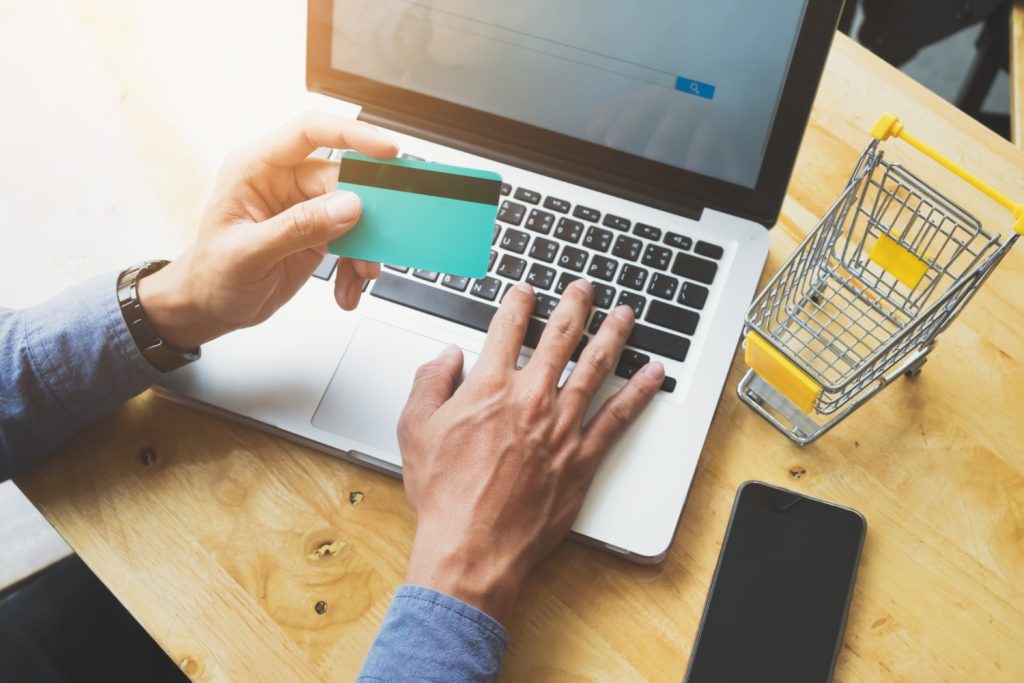
The rise of mobile commerce and digital wallets has further accelerated BNPL’s growth. Many BNPL providers offer intuitive apps that let users track their payments, browse partner stores, and manage purchases in one place. This user-friendly experience has helped cement BNPL’s place in the modern shopping ecosystem.
The Challenges and Risks Associated with BNPL Growth
Despite its popularity, the BNPL model is not without drawbacks. One of the biggest concerns is that it can encourage overspending. Because BNPL breaks purchases into smaller chunks, consumers may underestimate their financial obligations, leading to impulse buying and mounting debt.
BNPL providers often do not perform hard credit checks, which means consumers can take on multiple BNPL arrangements simultaneously without a full understanding of their cumulative liabilities. This lack of visibility into a consumer’s overall financial health increases the risk of overextension and defaults.
Late payments can lead to penalties, account suspensions, and in some cases, negative impacts on credit scores. While some providers report to credit bureaus, many do not, resulting in inconsistent consequences for missed payments. Additionally, when consumers use multiple BNPL providers, tracking repayment schedules can become complicated, further increasing the risk of missed payments.
Regulators around the world have started to take notice. In the United States, the Consumer Financial Protection Bureau (CFPB) has launched inquiries into BNPL firms to better understand their business practices and assess consumer risks. In countries like the UK and Australia, governments are already moving to impose stricter oversight and bring BNPL under existing credit regulations.
There is also concern about transparency in BNPL’s marketing practices. While providers advertise “no interest” payments, some may still impose fees or penalties in less obvious ways. Advocacy groups argue that consumers deserve clearer information about the true cost of using BNPL services.
Moreover, the business model’s sustainability is under scrutiny. BNPL companies often charge merchants a higher transaction fee than traditional credit card processors. As competition increases and margins tighten, providers may struggle to maintain profitability, leading to changes in their fee structures or terms.
Conclusion
Buy Now, Pay Later has emerged as a defining feature of modern consumer finance, offering a flexible, accessible alternative to traditional credit models. Its popularity is driven by convenience, perceived transparency, and alignment with changing consumer preferences, especially among younger generations. Retailers benefit from higher sales, while consumers enjoy the freedom to manage their spending with more control.
However, as the BNPL ecosystem expands, so too do the challenges. Overspending, debt accumulation, inconsistent regulations, and lack of consumer awareness all pose significant risks. For BNPL to remain a sustainable and positive financial innovation, a balanced approach is essential—one that prioritizes transparency, responsible lending, and appropriate regulation.
Ultimately, the future of BNPL will depend on how well providers, regulators, and consumers navigate this evolving landscape. With the right safeguards in place, BNPL can continue to offer value and reshape the way we think about credit in the digital age.